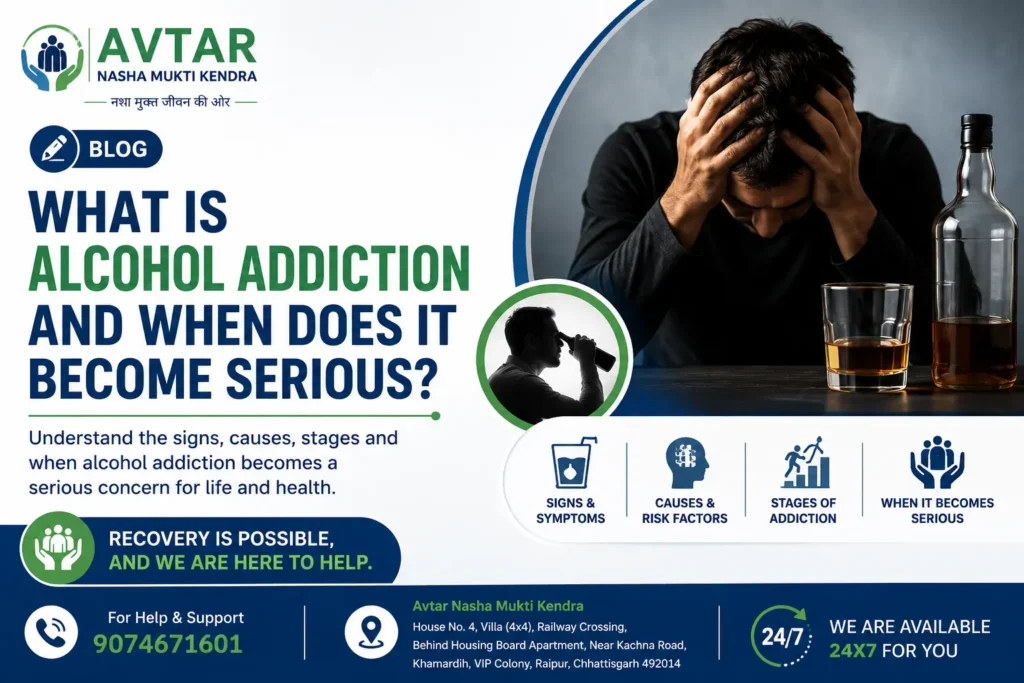
Alcohol is everywhere around us — at weddings, parties, festivals, and even casual get-togethers. For most people, drinking stays occasional and harmless. But for many others, that first glass slowly turns into a daily need, and before they realize it, alcohol starts controlling their life instead of the other way around.
The tricky part? Alcohol addiction rarely announces itself loudly. It creeps in quietly, and by the time families notice something is wrong, the problem is often already serious. In this article, we will explain what alcohol addiction really is, how it develops, and most importantly — how to know when it has crossed the line from a habit into something that needs professional help.
What Is Alcohol Addiction?
Alcohol addiction — medically known as Alcohol Use Disorder (AUD) — is a condition where a person becomes physically and mentally dependent on alcohol. It is not simply “drinking too much” or a lack of willpower. It is a recognized medical condition that changes the way the brain works.
When a person drinks regularly over time, the brain adjusts to the constant presence of alcohol. It reduces its own natural production of calming chemicals because alcohol is doing that job instead. Eventually, the brain needs alcohol just to feel normal. That is when addiction has taken hold.
A person struggling with alcohol addiction usually experiences three things:
- Craving – A strong, almost uncontrollable urge to drink.
- Loss of control – Inability to stop after one or two drinks, even when they promised themselves they would.
- Dependence – Uncomfortable withdrawal symptoms like shaking, sweating, anxiety, and irritability when they don’t drink.
If you want a deeper explanation of the condition, its causes, and how it affects the mind and body, you can read our detailed guide on what is alcohol addiction.
How Does a Habit Turn Into an Addiction?
Nobody plans to become addicted. It happens gradually, usually in stages:
Stage 1 – Social Drinking: Drinking only at parties or occasions. Fully in control.
Stage 2 – Regular Drinking: Alcohol becomes part of the weekly routine — weekends, evenings after work, “to relax.”
Stage 3 – Risky Drinking: Drinking alone, hiding bottles, drinking earlier in the day, and needing more alcohol to feel the same effect (this is called tolerance).
Stage 4 – Dependence: The body now expects alcohol. Skipping a drink causes withdrawal symptoms — trembling hands, restlessness, poor sleep, and mood swings.
Stage 5 – Full Addiction: Drinking becomes the centre of life. Work, family, health, and relationships take a back seat. The person may want to quit but finds they simply cannot.
Understanding these stages helps families act early — because the earlier the intervention, the easier the recovery.
Warning Signs You Should Never Ignore
Addiction often shows itself physically before the person admits it verbally. Some common warning signs include:
- Drinking alone or in secret
- Making excuses for every occasion to drink
- Irritability, anger, or anxiety when alcohol is not available
- Neglecting work, studies, or family responsibilities
- Memory blackouts after drinking
- Losing interest in hobbies and people they once enjoyed
- Repeated failed attempts to cut down or quit
- Continuing to drink despite clear health, financial, or relationship problems
Physical Changes: The Face Tells the Story
One of the earliest and most visible indicators of long-term drinking shows up right on the face. Persistent redness, puffiness, broken capillaries on the cheeks and nose, dull skin, bloodshot eyes, and premature ageing are all classic markers. Families often notice these changes months before anything else. To learn exactly what to look for, read our guide on how to spot an alcoholic face.
When Does Alcohol Addiction Become Serious?
This is the question every family asks — and the honest answer is: it becomes serious the moment drinking starts harming health, relationships, work, or safety. But here are the clear red lines that mean professional help is no longer optional:
1. Withdrawal Symptoms Appear
Shaking hands in the morning, sweating, nausea, insomnia, or anxiety when not drinking means the body is physically dependent. Severe withdrawal can even cause seizures and hallucinations — this is dangerous and must be medically supervised.
2. Tolerance Keeps Increasing
Needing six pegs to feel what two pegs used to do means the body is adapting — and the damage is growing along with it.
3. Health Problems Begin
Fatty liver, gastritis, high blood pressure, frequent infections, unexplained weight loss, numbness in hands and feet, or abnormal liver reports. Alcohol damages nearly every organ — liver, heart, brain, pancreas, and immune system.
4. Life Starts Falling Apart
Missed office deadlines, lost jobs, borrowed money for alcohol, fights at home, children avoiding the parent — when alcohol begins costing real things, addiction is already serious.
5. Drinking Despite Consequences
The clearest sign of all: the person keeps drinking even after a doctor’s warning, a family ultimatum, or a health scare. At this stage, willpower alone is rarely enough.
6. Mental Health Declines
Depression, anxiety, aggression, suicidal thoughts, or complete social isolation. Alcohol and mental health problems feed each other, creating a cycle that is very hard to break alone.
Why Quitting Alone Is So Difficult
Many families say, “He just needs self-control.” Unfortunately, it doesn’t work that way. Long-term alcohol use rewires the brain’s reward system. Suddenly stopping heavy drinking can be genuinely dangerous — withdrawal seizures and delirium tremens (DTs) can be life-threatening without medical care.
That is why professional treatment at a proper rehabilitation centre is not a luxury — it is often the safest and only effective path to recovery.
How Professional Treatment Helps
Recovery is absolutely possible at any stage — thousands of people have rebuilt their lives after severe alcohol addiction. Structured treatment typically includes:
- Safe Medical Detoxification – Removing alcohol from the body under doctor supervision, with medicines to manage withdrawal comfortably and safely.
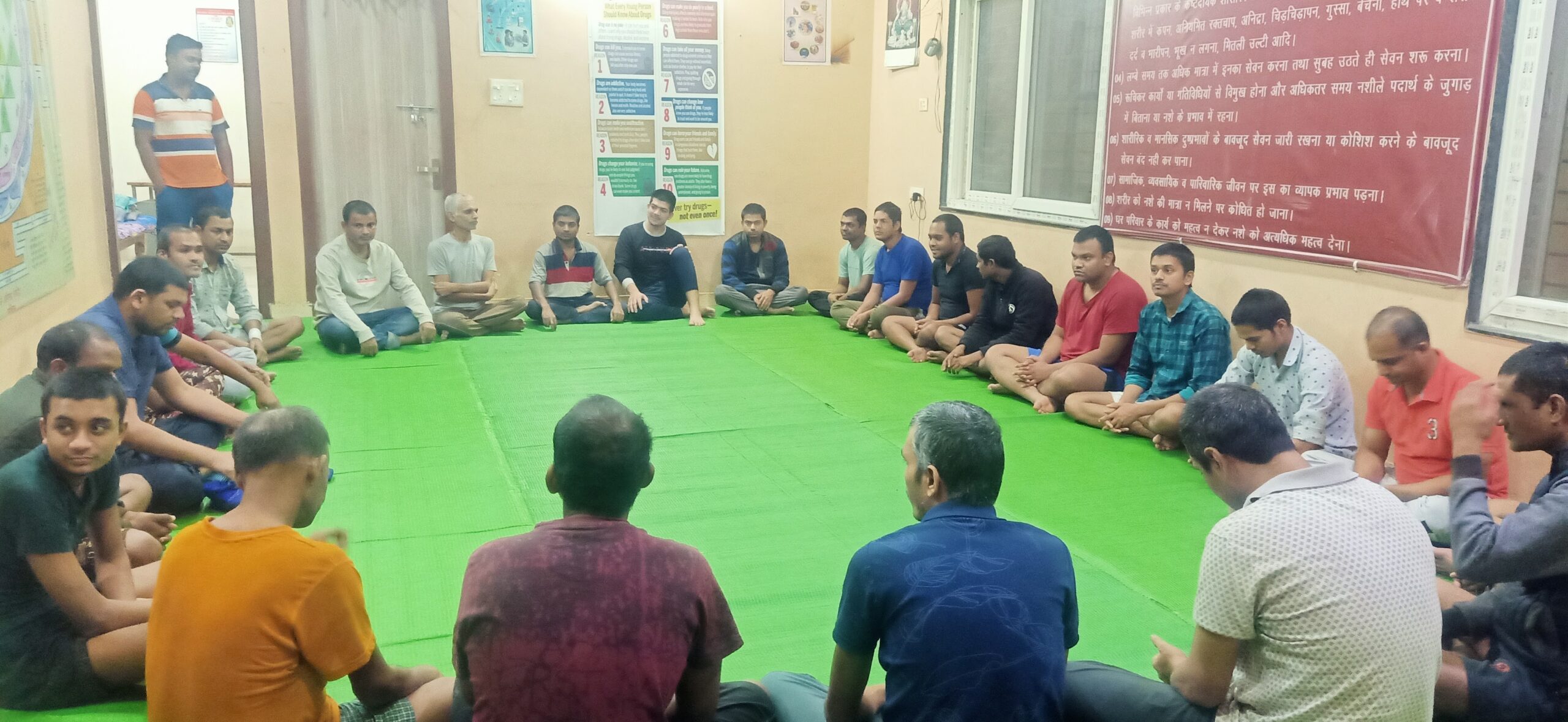
- Counselling & Therapy – Individual and group sessions that address the root causes — stress, trauma, depression, peer pressure.
- Family Counselling – Because addiction affects the whole family, and healing works best when the family is involved.
- Relapse Prevention – Teaching practical coping skills so the person can handle triggers, cravings, and social pressure after returning home.
- Aftercare Support – Regular follow-ups to keep recovery strong long-term.
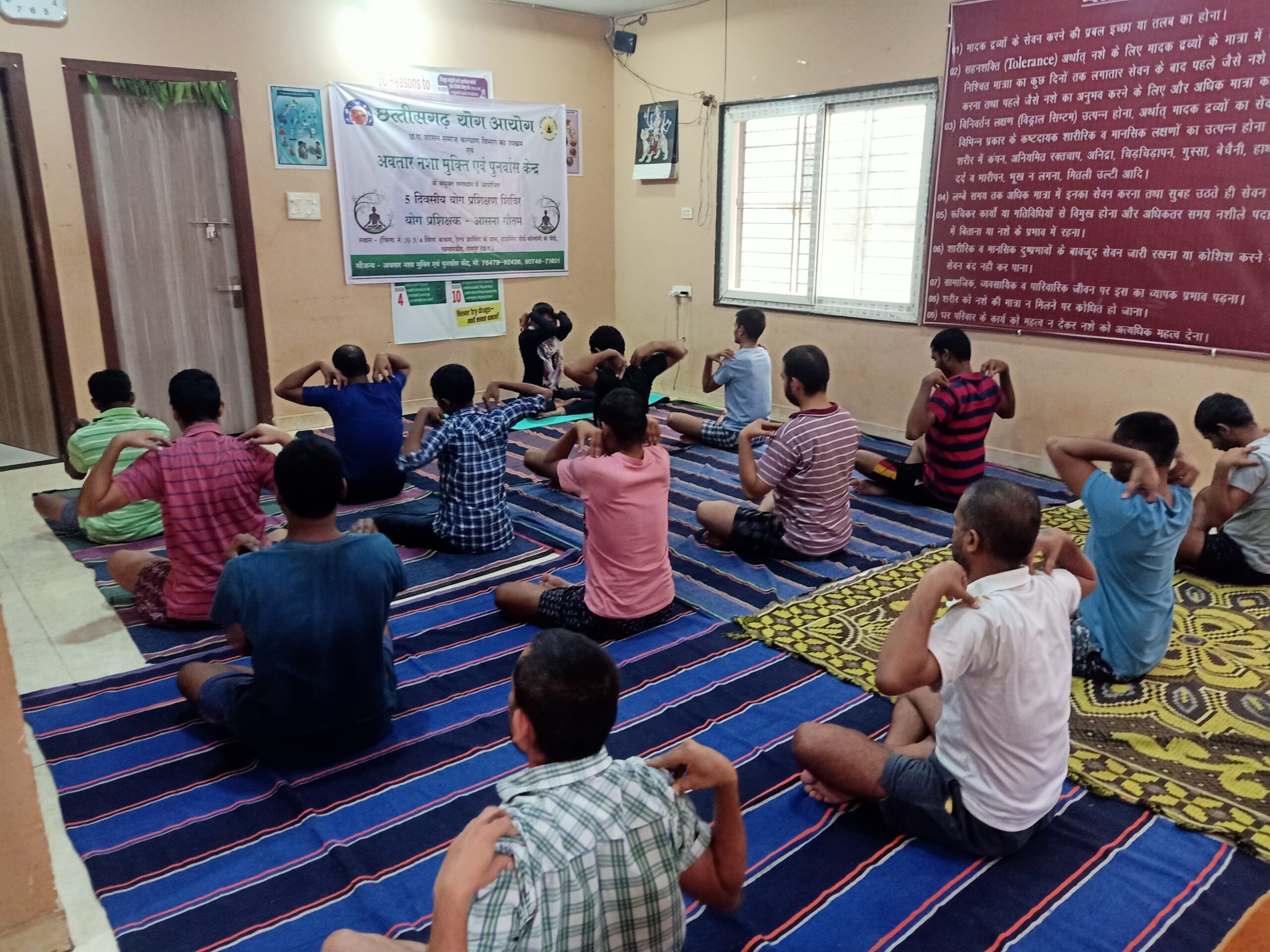
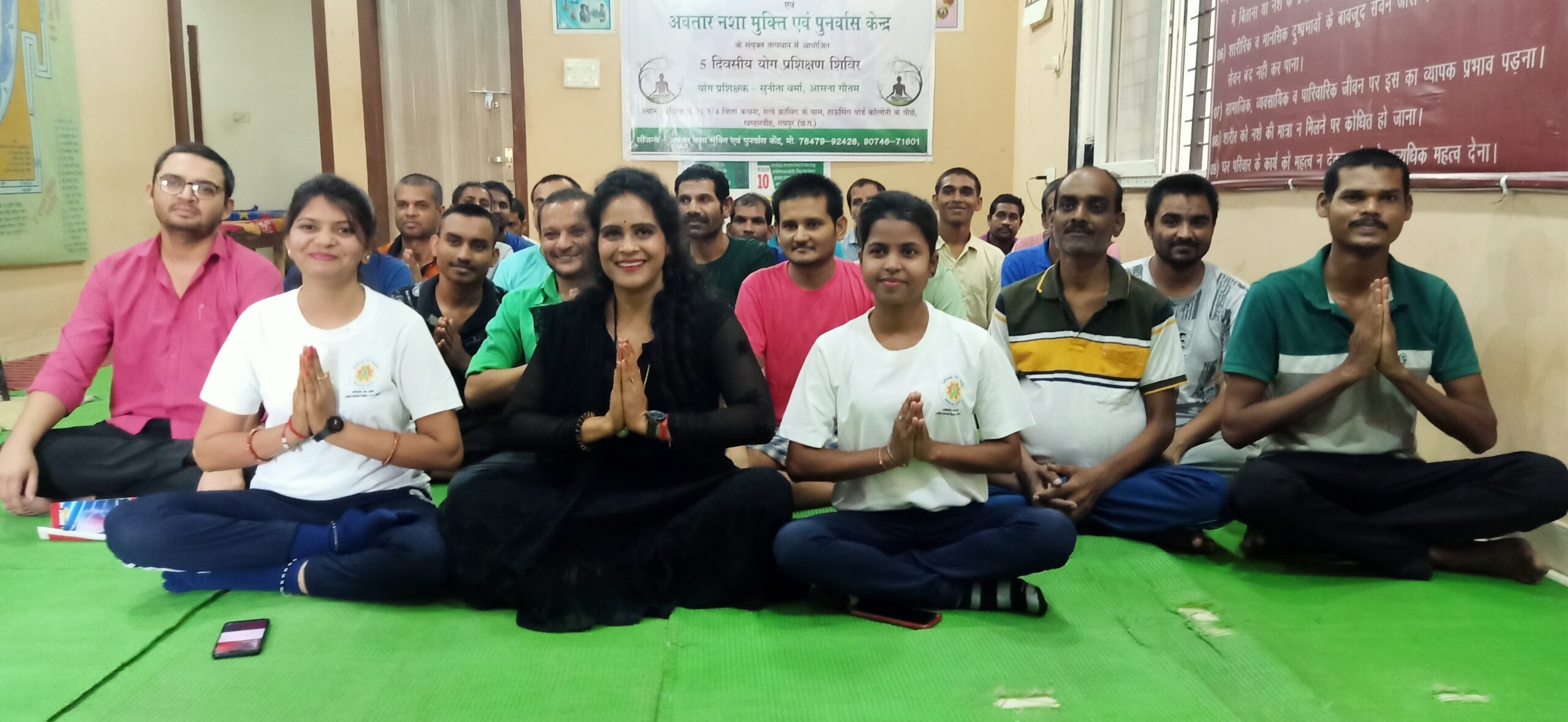
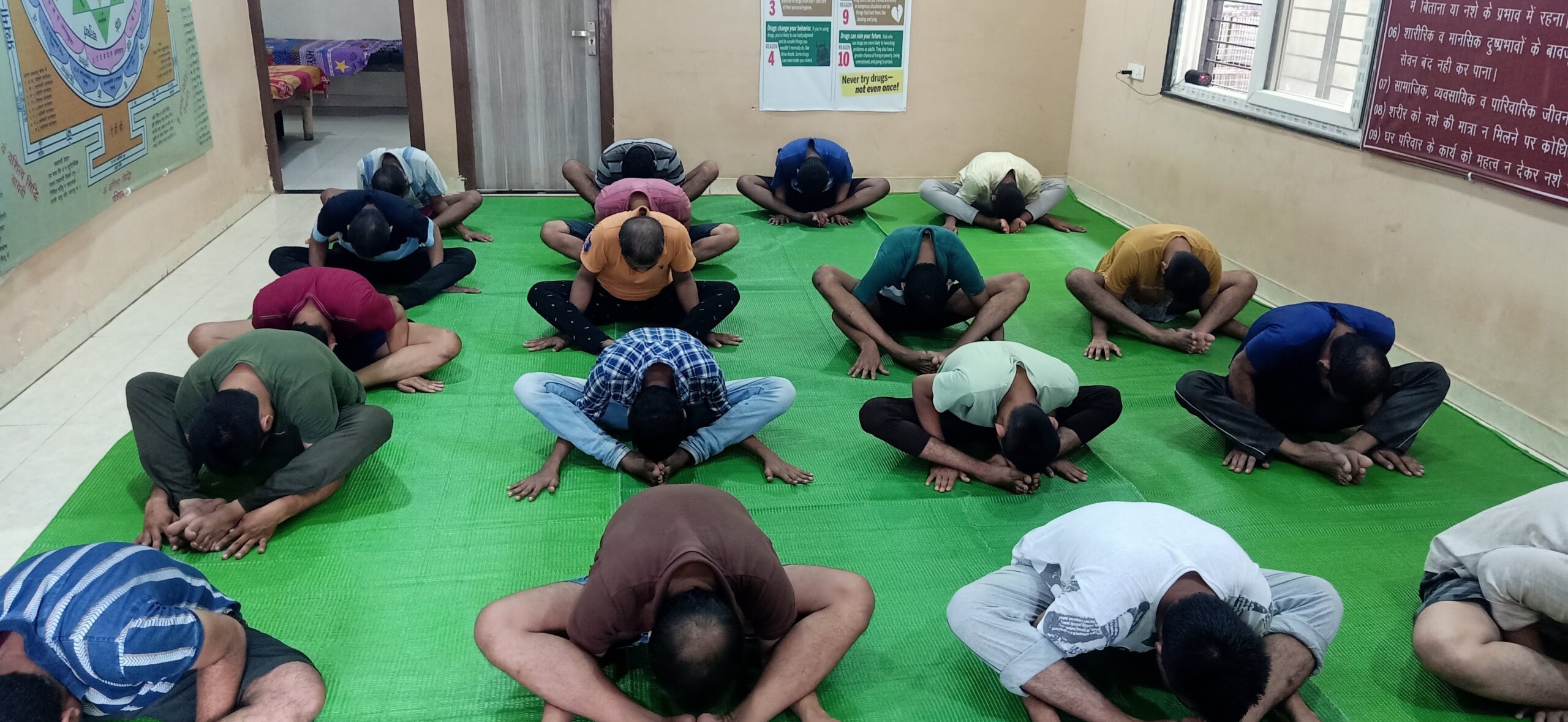
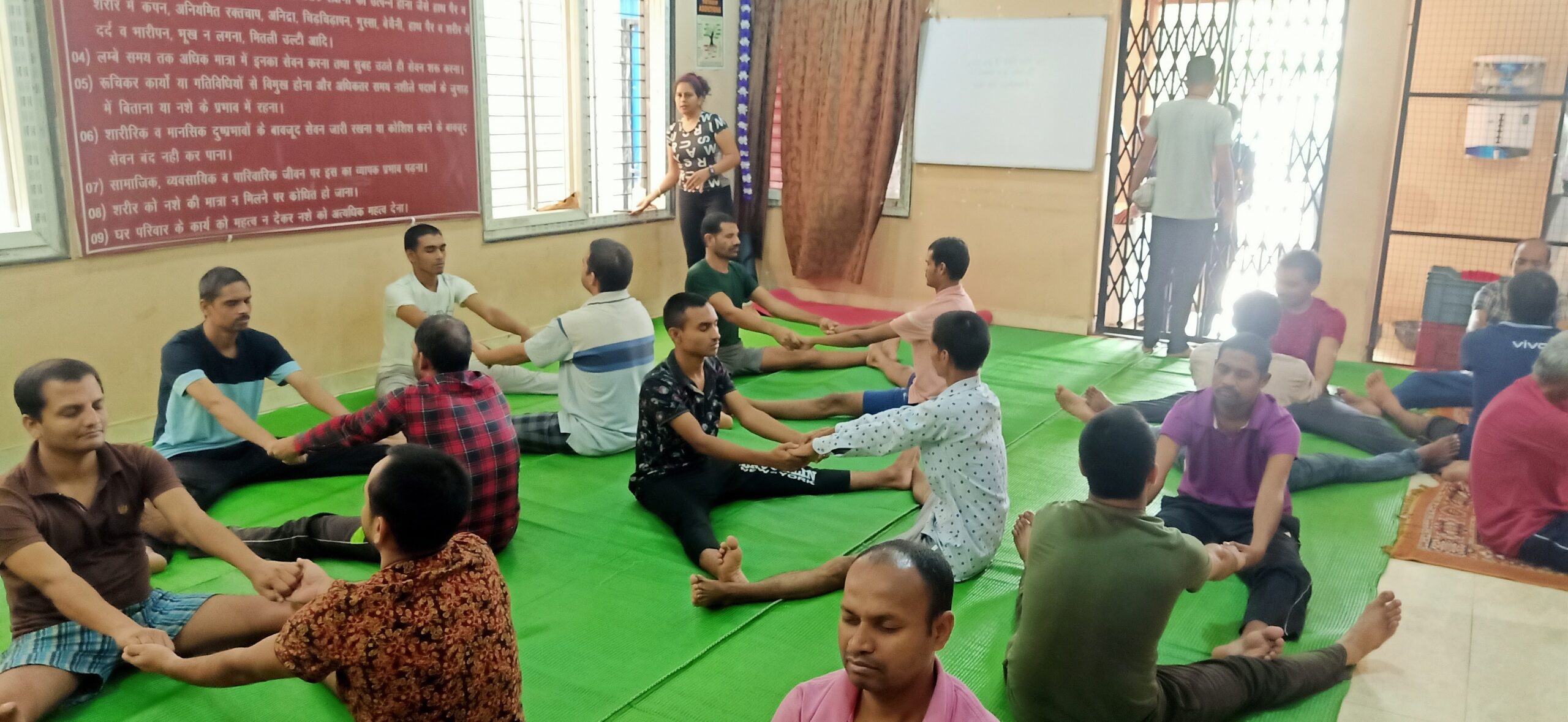
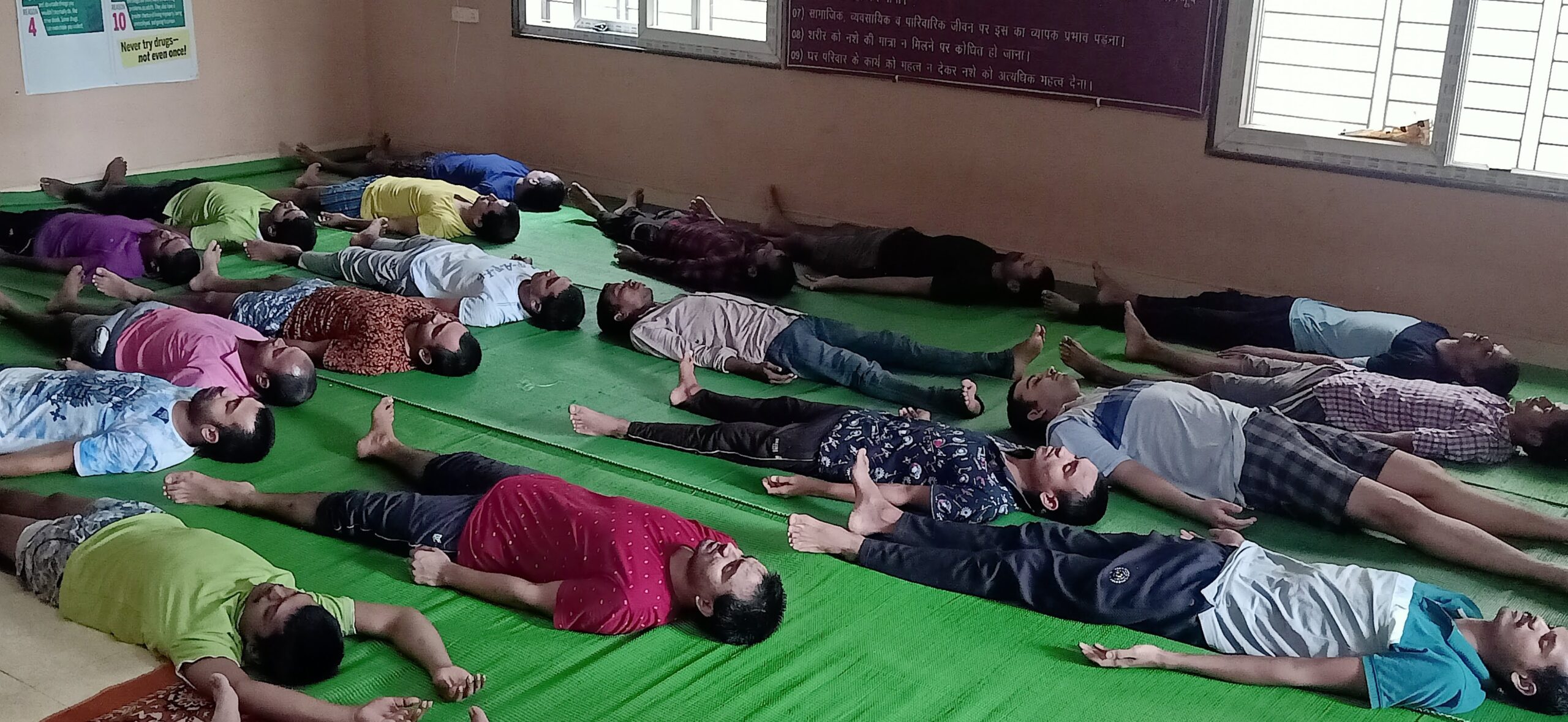
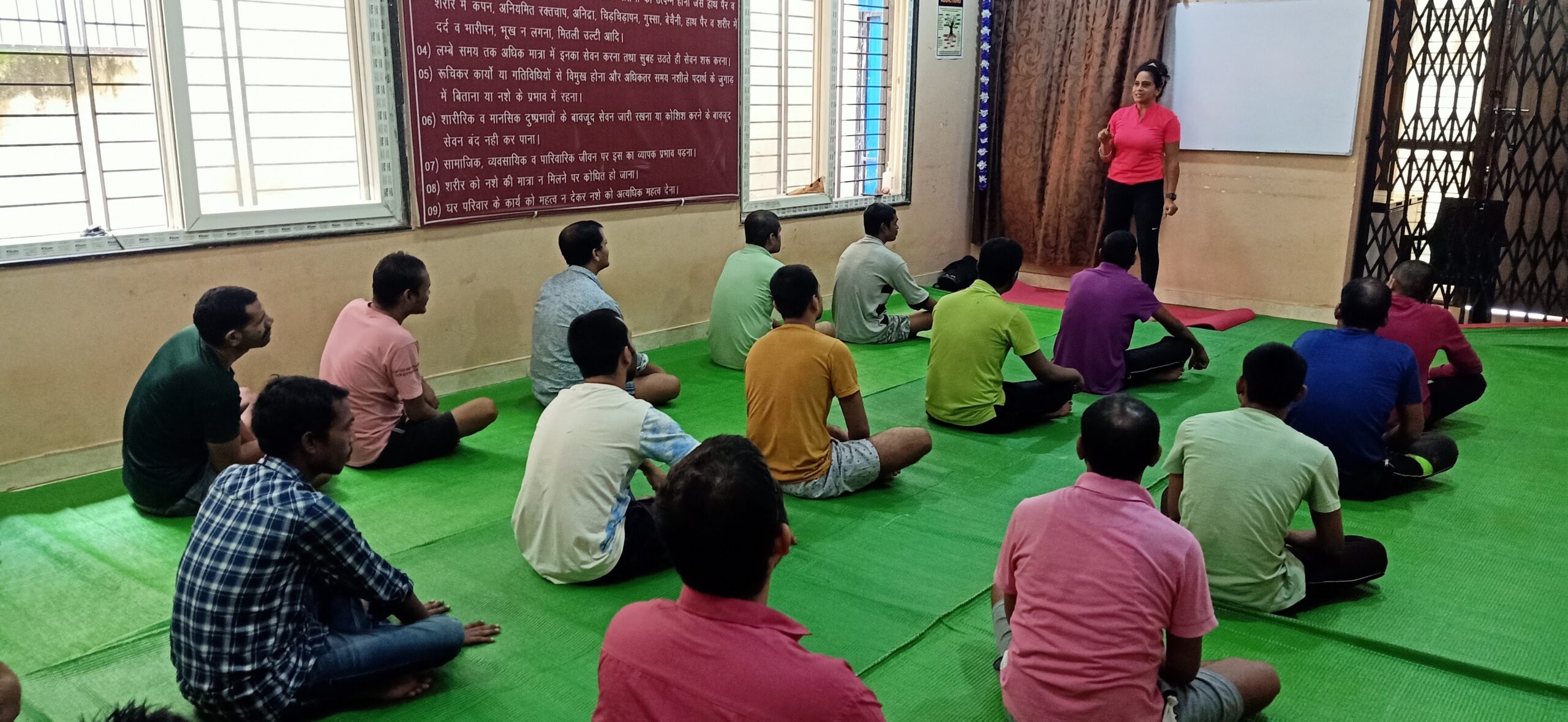
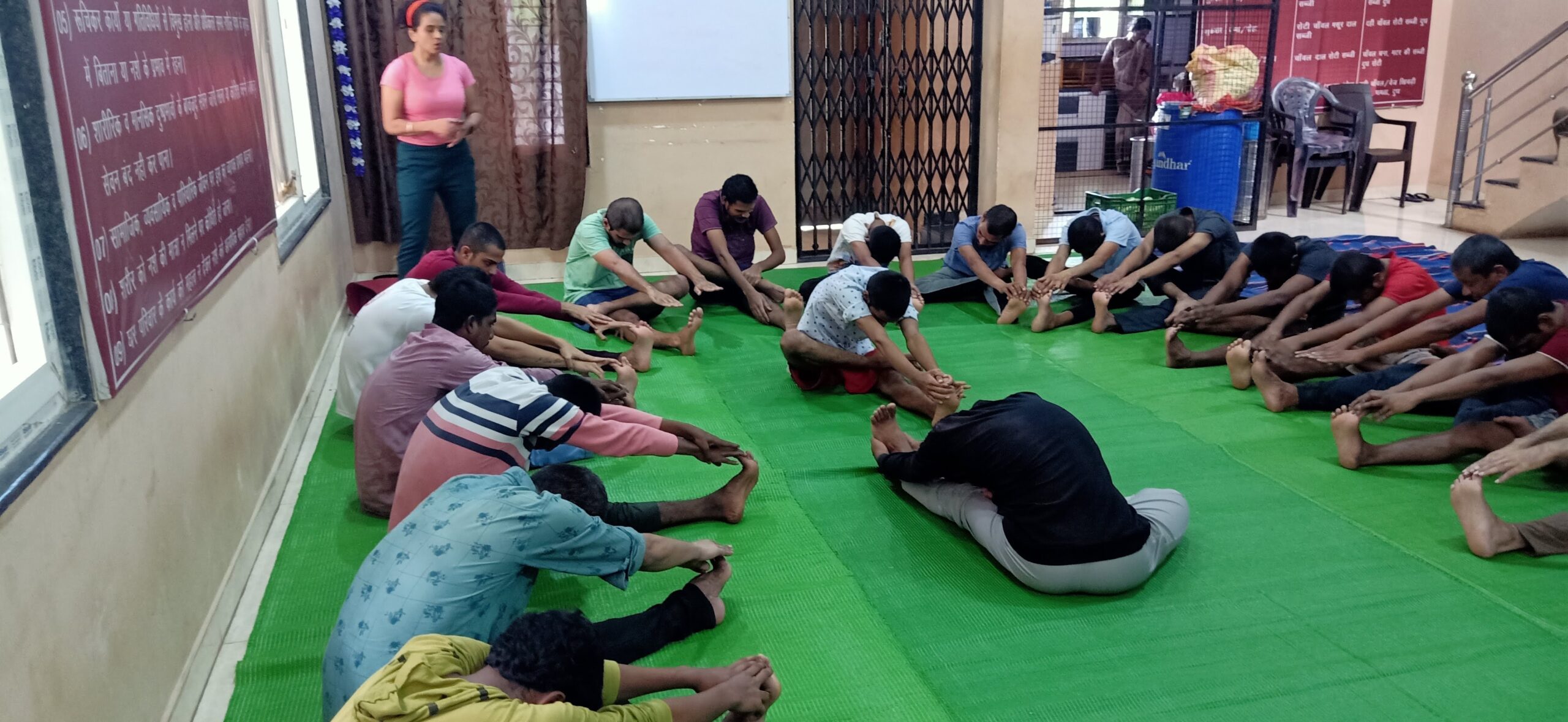
At our alcohol and drug abuse treatment and rehabilitation program at Nasha Mukti Kendra, every patient receives a personalised recovery plan covering detox, therapy, family support, and long-term relapse prevention.
Take the First Step Today
If you or someone you love is showing the signs discussed above, don’t wait for things to get worse. Addiction is a progressive illness — it never improves on its own, but it responds remarkably well to timely, professional care.
As a trusted Nasha Mukti Kendra in Raipur, we at Avtar Nasha Mukti Kendra have helped countless individuals break free from alcohol dependence and return to healthy, dignified, happy lives. Every conversation is completely confidential.
Recovery doesn’t start with strength — it starts with one phone call. Make that call today.