Deciding to seek help for addiction is one of the bravest decisions a person or family can make. But right after that decision comes fear and confusion — “What happens next? How do we admit our son/father/husband? Will they accept him? What documents do we need? What should we pack?”
If these questions are stopping you from taking action, this article is for you. Let us walk you through the entire admission process at a Nasha Mukti Kendra, step by step, so you know exactly what to expect — and can start recovery without hesitation.
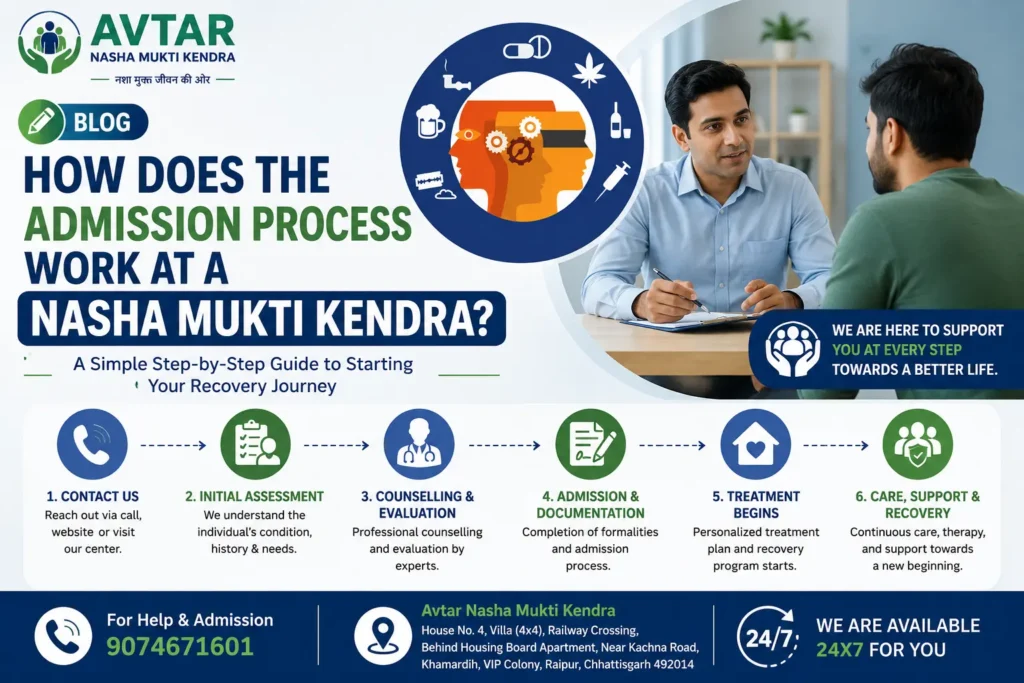
Step 1: The First Phone Call
Everything begins with a simple phone call. There is no need for referrals, paperwork, or prior preparation. Just pick up the phone and call 9074671601.
During this first call, our counsellor will:
- Listen patiently to your situation without any judgement
- Ask basic questions about the addiction — what substance, for how long, how much, and current health condition
- Explain the treatment programs, stay duration, and facilities available
- Answer all your questions about cost, visiting rules, and safety
- Guide you on whether immediate admission is needed or a preliminary counselling session would help first
Many families hesitate to make this call because of shame or fear of exposure. Please remember — every conversation at our Nasha Mukti Kendra is 100% confidential. Nothing is shared with anyone without your consent.
Call 9074671601 today — the consultation is free, and one call can change everything.
Step 2: Preliminary Assessment & Counselling
Once you make contact, the counsellor conducts an initial assessment. This can happen over the phone or in person at the centre.
For the patient, this stage involves understanding:
- The type and severity of addiction (alcohol, drugs, or both)
- How long the substance has been used
- Any existing medical conditions (diabetes, liver problems, heart issues, etc.)
- Mental health status — anxiety, depression, aggression, or past attempts to quit
- Family background and willingness to recover
For the family, this stage is equally important. Families are guided on:
- How to talk to the patient about admission (many patients resist initially)
- Whether the patient needs voluntary admission or supportive intervention
- What role the family will play during treatment
In many cases, patients agree to treatment after just one honest counselling session. If the patient refuses completely, our team also guides families on safe and ethical ways to convince them.
Step 3: Medical Examination Before Admission
Addiction treatment is a medical process, not just moral lecturing. Before admission, a basic medical check-up is done, which may include:
- Blood pressure, pulse, and general physical examination
- Liver function and kidney function tests
- Blood sugar levels
- Screening for infections
- Assessment of withdrawal risk
This examination matters because sudden withdrawal from alcohol or drugs can be dangerous — sometimes causing seizures or severe complications. Knowing the patient’s health status beforehand allows doctors to plan a safe, medically supervised detoxification.
Step 4: Admission Formalities & Documentation
The actual admission paperwork is simple and quick. You will typically need:
- Aadhaar card or any government ID of the patient
- One family member’s ID and contact details
- Basic medical reports, if available (not mandatory — tests can be done at the centre)
- Emergency contact information
At the centre, the family completes:
- An admission form with patient history
- Consent forms for treatment
- Rules and guidelines agreement (visiting hours, belongings policy, communication rules)
The whole formal process usually takes less than an hour. Our staff keeps it smooth and stress-free — families are already emotionally exhausted, and we understand that.
Step 5: What to Pack for the Stay
Families often ask what belongings to bring. A simple guideline:
Bring:
- Comfortable clothes for 15–30 days (simple, modest clothing)
- Toiletries (toothbrush, soap, towel, etc.)
- Any regular medicines with prescriptions
- Slippers/footwear
- Reading material if the patient enjoys it
Do NOT bring:
- Any substances, tobacco, or medicines without informing staff
- Expensive jewellery, large cash, or valuables
- Sharp objects
All belongings are checked and recorded at admission for the patient’s own safety. If something is forgotten, don’t worry — families can bring items during visits.
Step 6: The First Days Inside — Detox & Stabilisation
The first 5–10 days after admission are the most critical. This is the detox phase, where the body clears the substance under 24-hour medical supervision.
Patients may experience withdrawal symptoms — restlessness, body pain, sleeplessness, mood swings, or cravings. Our medical team manages this with proper medication, nutrition, and constant monitoring so the patient stays as comfortable and safe as possible.
Within a week, most patients begin sleeping better, eating properly, and thinking clearly — often for the first time in months or years. Seeing this transformation is usually when families truly breathe a sigh of relief.
To understand why detox must never be attempted alone at home, read about alcohol and drug abuse treatment and rehabilitation at our centre.
Step 7: The Main Treatment Phase
After detox, the real healing begins. Depending on the patient’s condition, the treatment program includes:
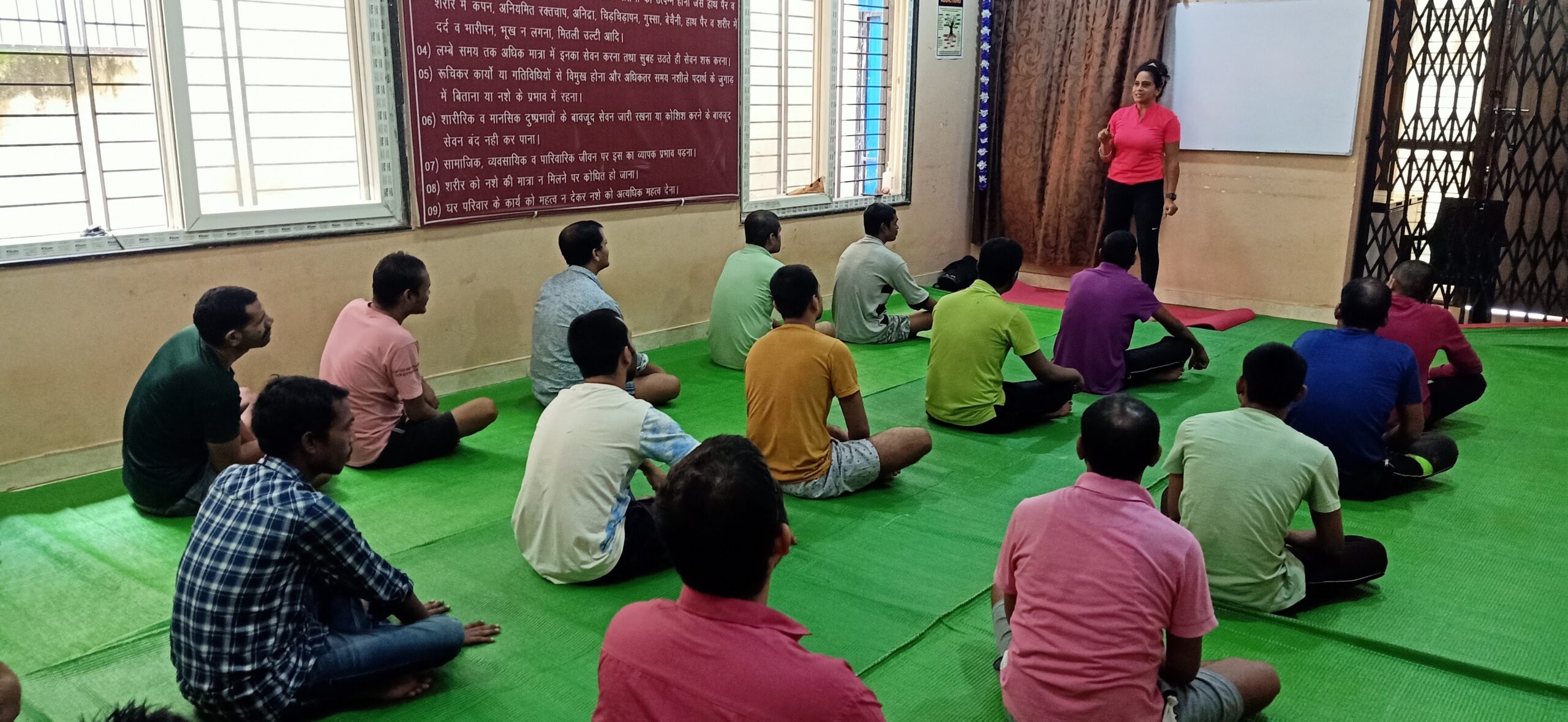
- Individual counselling – One-on-one sessions to uncover the root causes of addiction
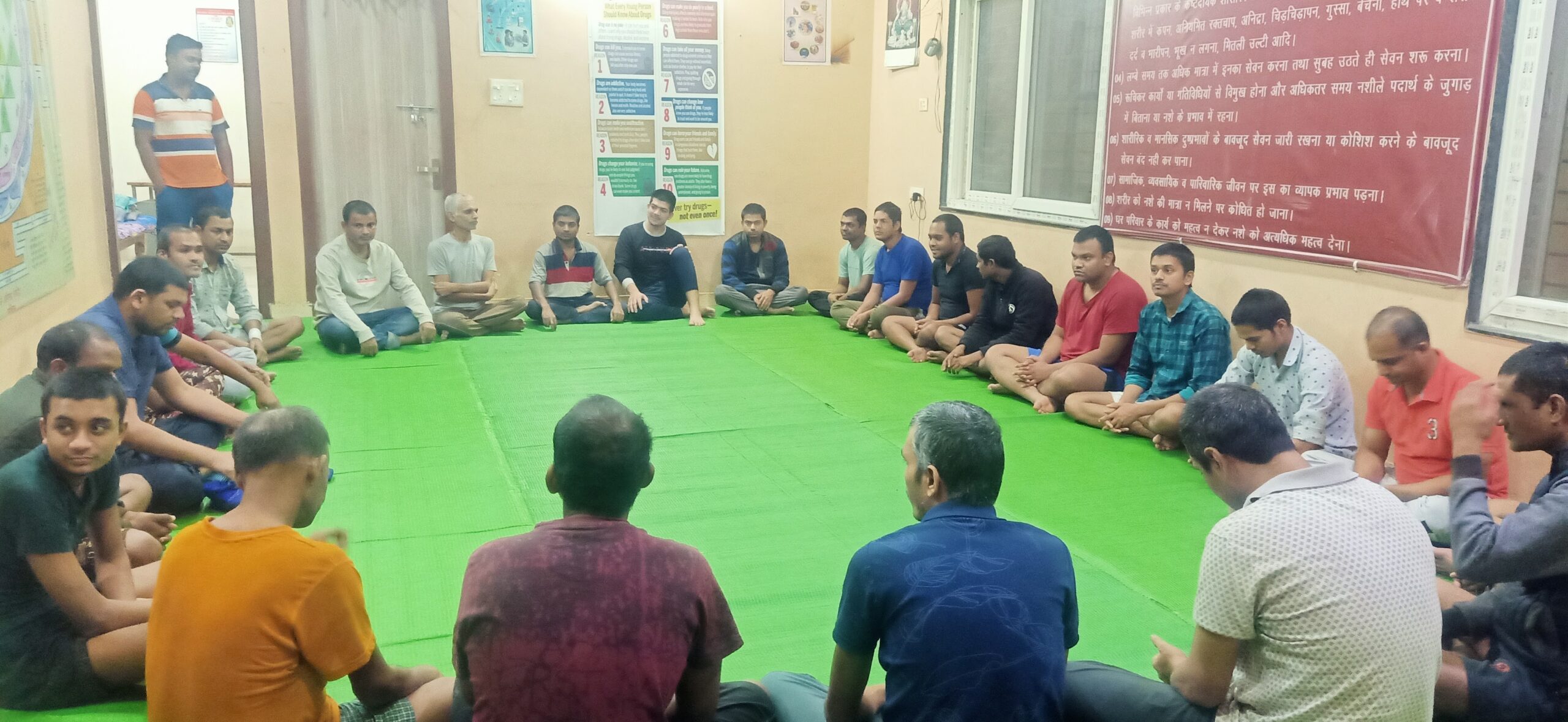
- Group therapy – Sharing experiences with fellow patients; realising “I am not alone” is powerful medicine
- Behavioural therapy – Building new habits, discipline, and coping skills
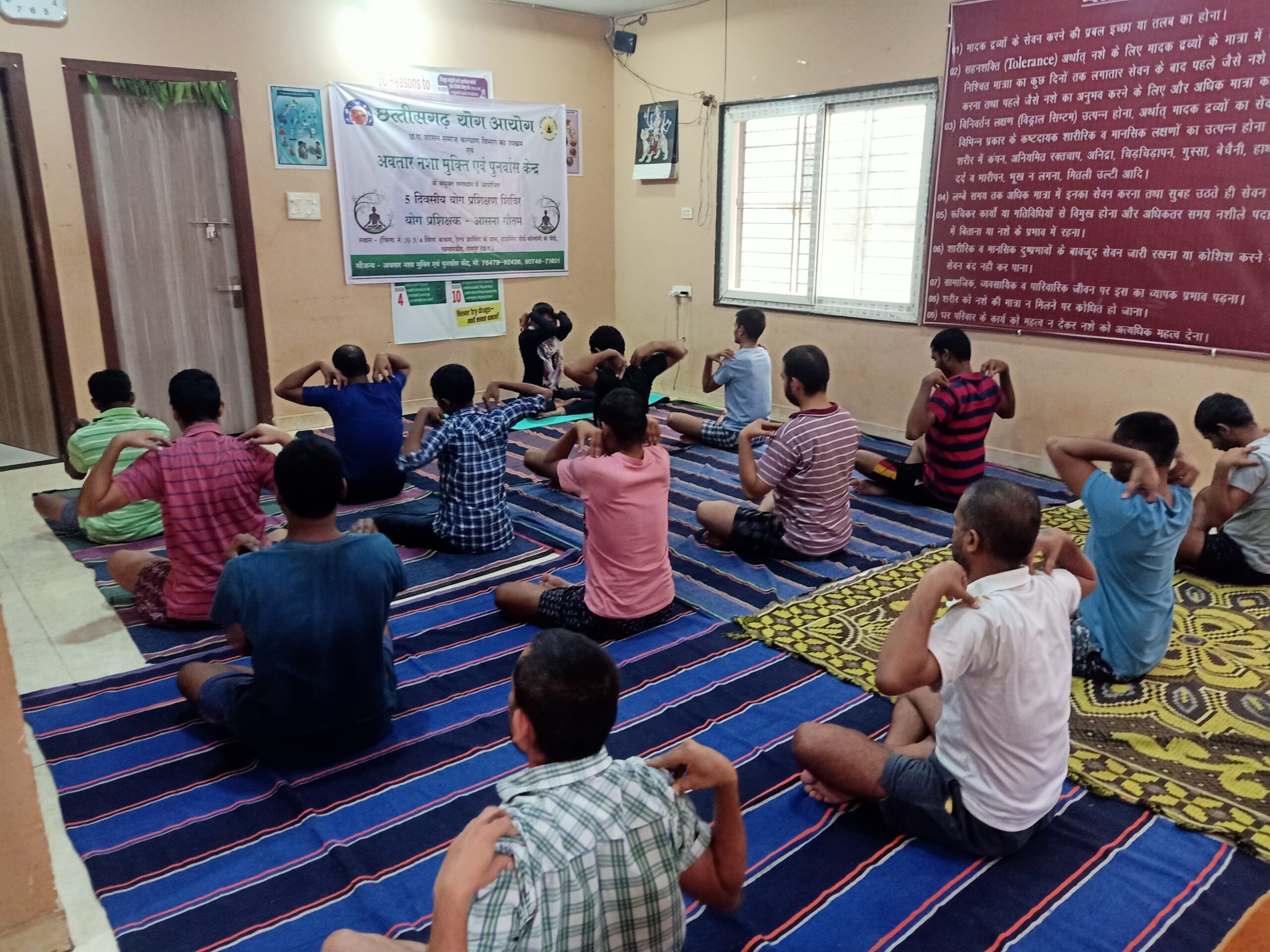
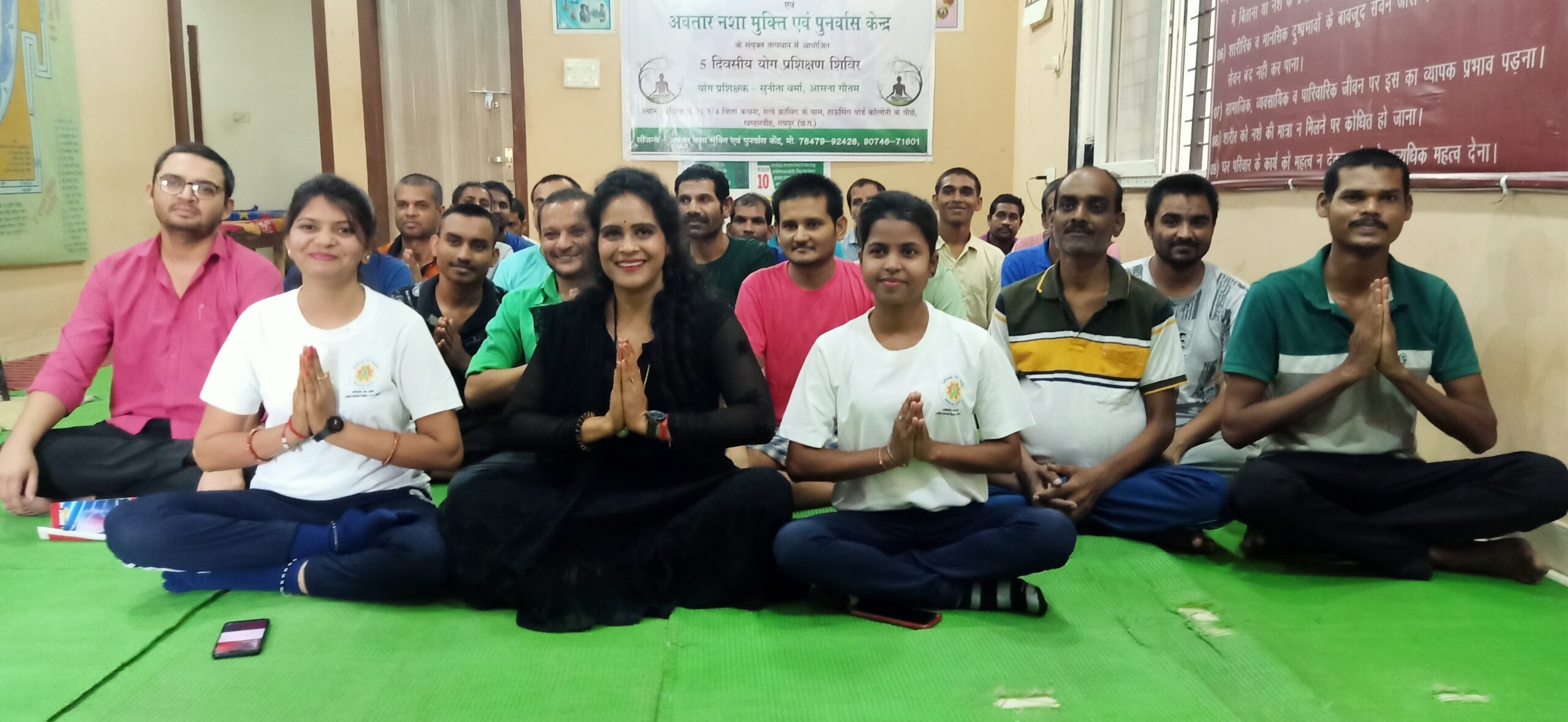
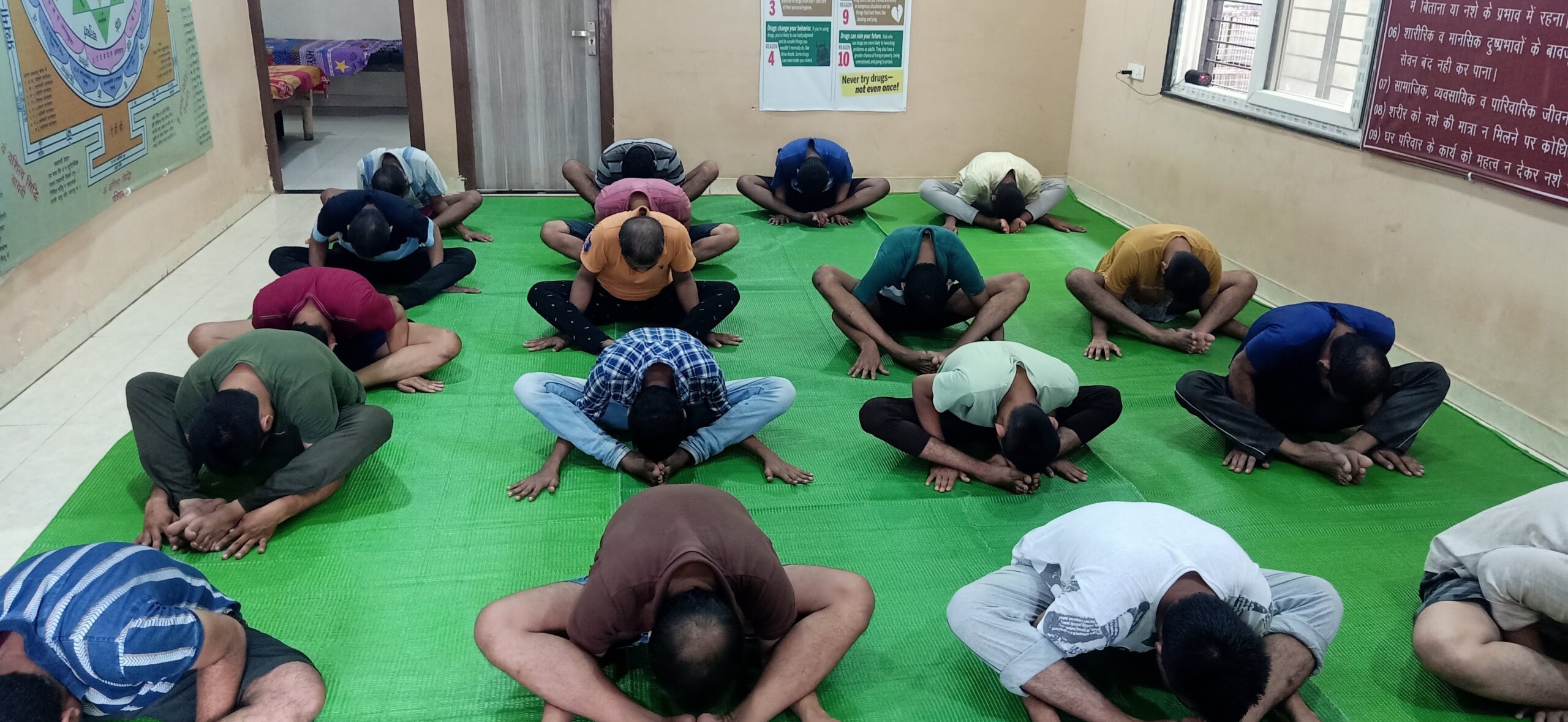
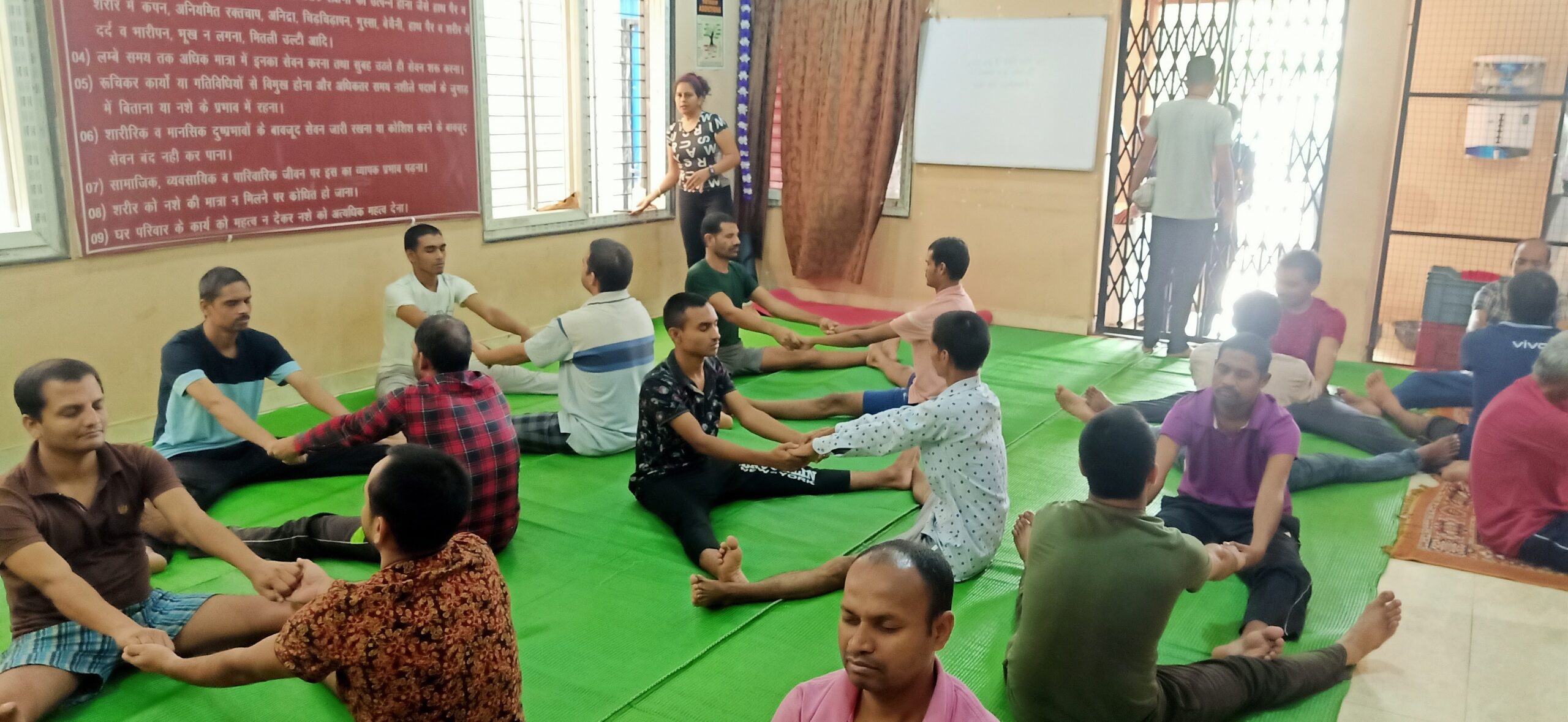
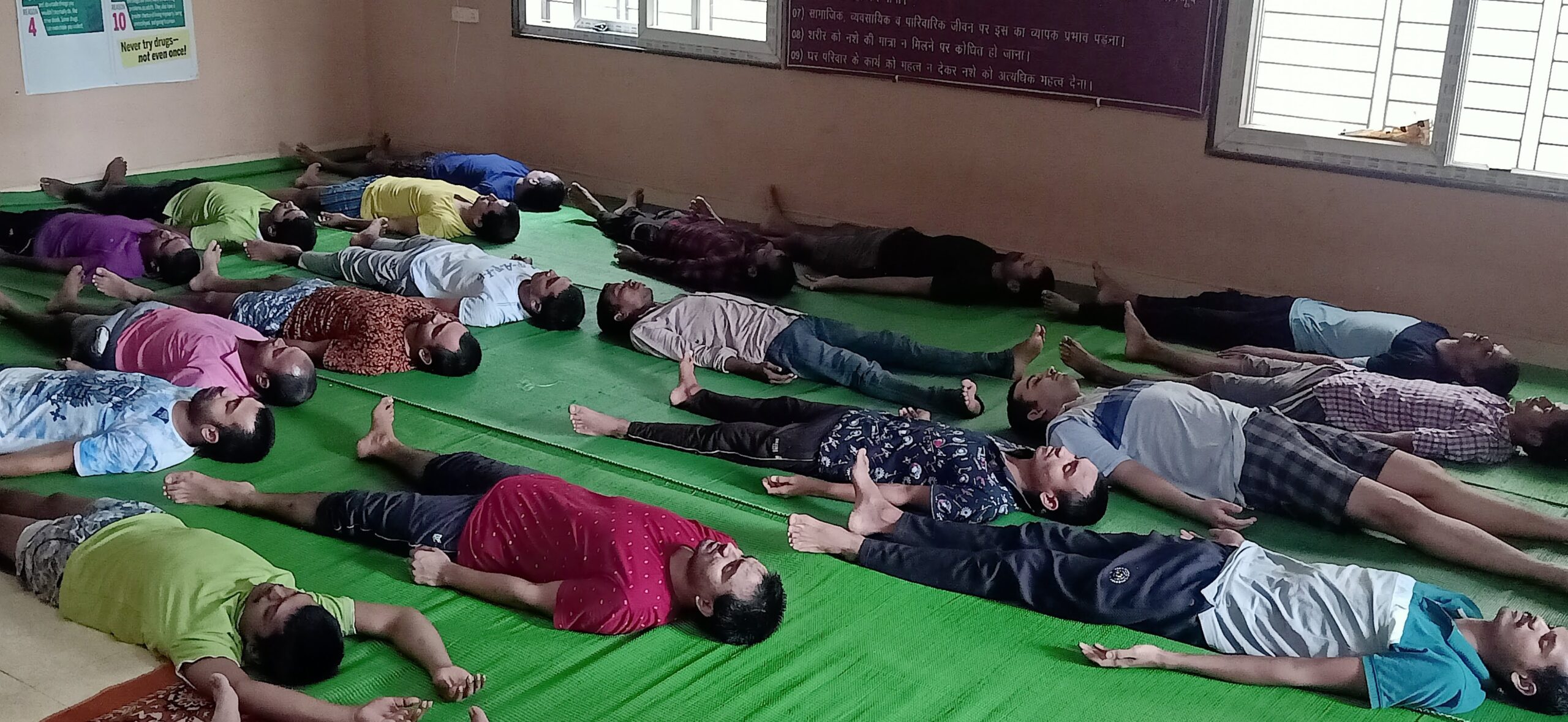
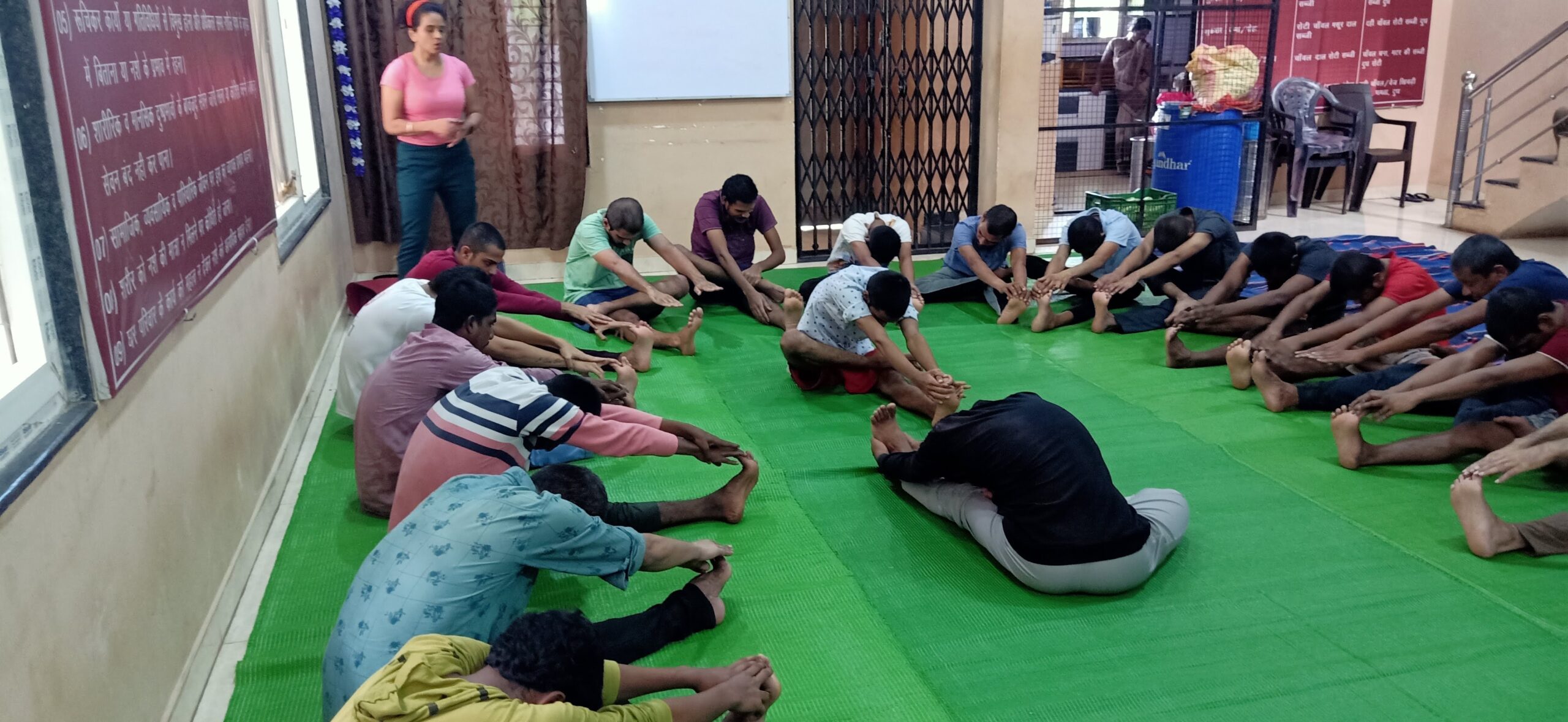
- Yoga and meditation – Healing the mind and body naturally
- Family counselling sessions – Repairing relationships and preparing the home environment for return
- Relapse prevention training – Practical strategies to handle cravings, old friends, and social pressure
Stay duration varies — typically 30 to 90 days depending on severity. Longer stays show significantly better long-term recovery rates.
Step 8: Family Involvement & Visits
Recovery is not a solo journey, and families are never kept in the dark. Most centres follow a structured visitation system:
- Scheduled calls or video calls with family
- Weekly or bi-weekly visiting days
- Progress updates from counsellors and doctors
- Family therapy sessions at key stages of treatment
This keeps the patient motivated and prepares the family for their role after discharge — because a supportive home environment is half the battle won.
Step 9: Discharge & Aftercare Planning
Discharge doesn’t mean the journey ends — it means a new chapter begins. Before the patient leaves, the centre prepares a complete aftercare plan, which includes:
- Follow-up OPD appointments
- Medicines, if required
- Guidance on handling triggers and high-risk situations
- Support group connections
- Direct contact with counsellors for any emergency
Patients who follow their aftercare plan have dramatically lower relapse rates. And whenever help is needed later, the door is always open — just call 9074671601 anytime.
Frequently Asked Questions About Admission
Q. Can we admit someone against their will? Admission works best when the patient agrees. However, if the patient refuses, our counsellors guide families through intervention methods that respectfully convince the patient. Many resistant patients settle within days of arrival.
Q. Is my identity kept confidential? Absolutely. Patient records, admission details, and even the fact of admission remain strictly confidential.
Q. How soon can admission happen? Same-day admission is possible in urgent cases. For severe addiction or medical emergencies, faster admission is always safer.
Q. Can the patient leave midway? Voluntary patients can request discharge, but counsellors counsel both patient and family first, because leaving mid-detox or mid-treatment is risky for recovery.
Take the First Step — We’ll Handle the Rest
Now that you know exactly how admission works, there’s nothing left to fear. No complicated procedures, no judgement, no exposure — just a structured, compassionate path from addiction to recovery.
As a trusted Nasha Mukti Kendra in Raipur, Avtar Nasha Mukti Kendra has guided hundreds of individuals through this exact process — from that difficult first phone call to the joyful day of discharge.
One call is all it takes. Call 9074671601 now — speak to a counsellor in complete confidence, ask every question on your mind, and take the first step toward a life free from addiction.