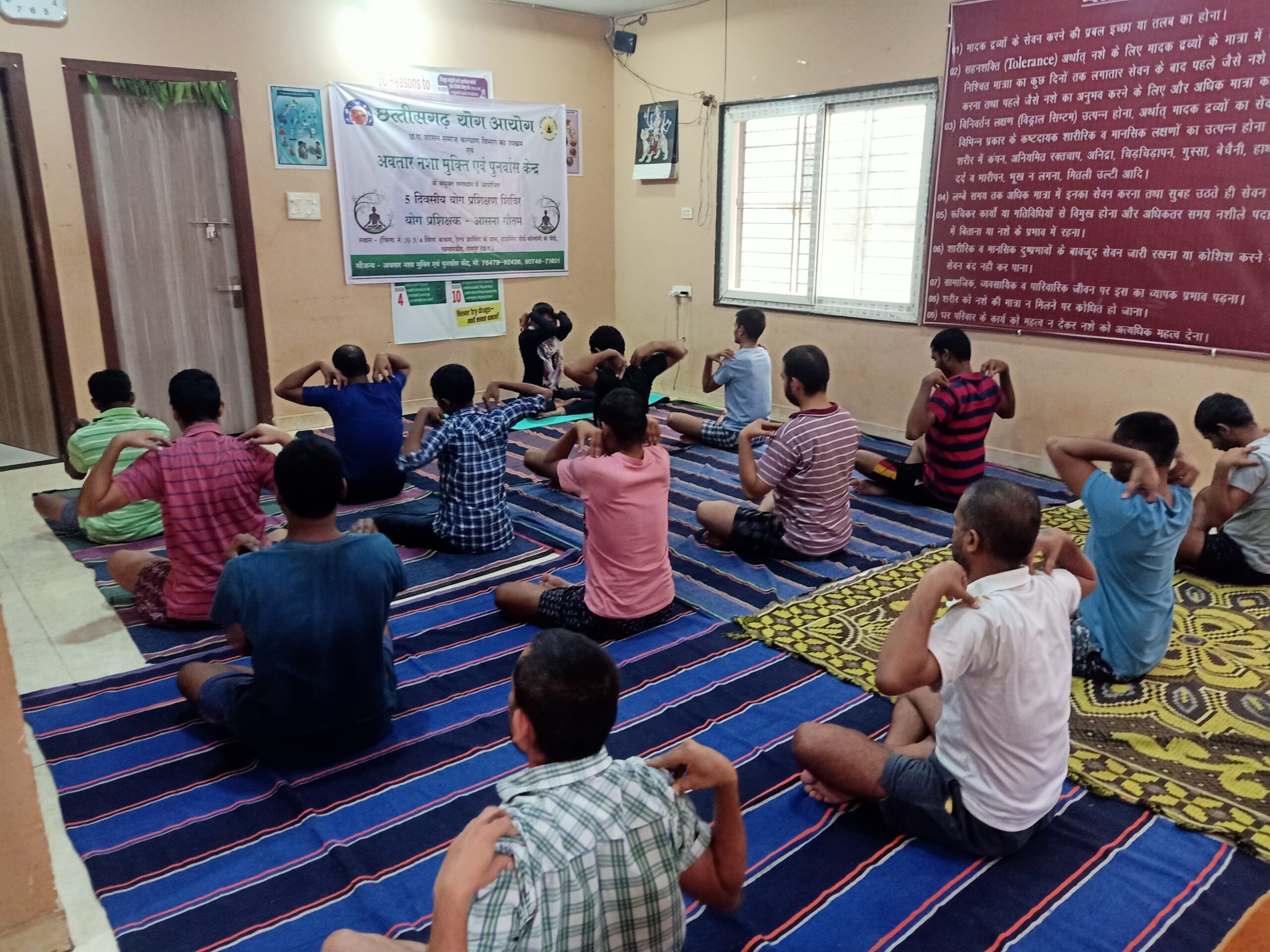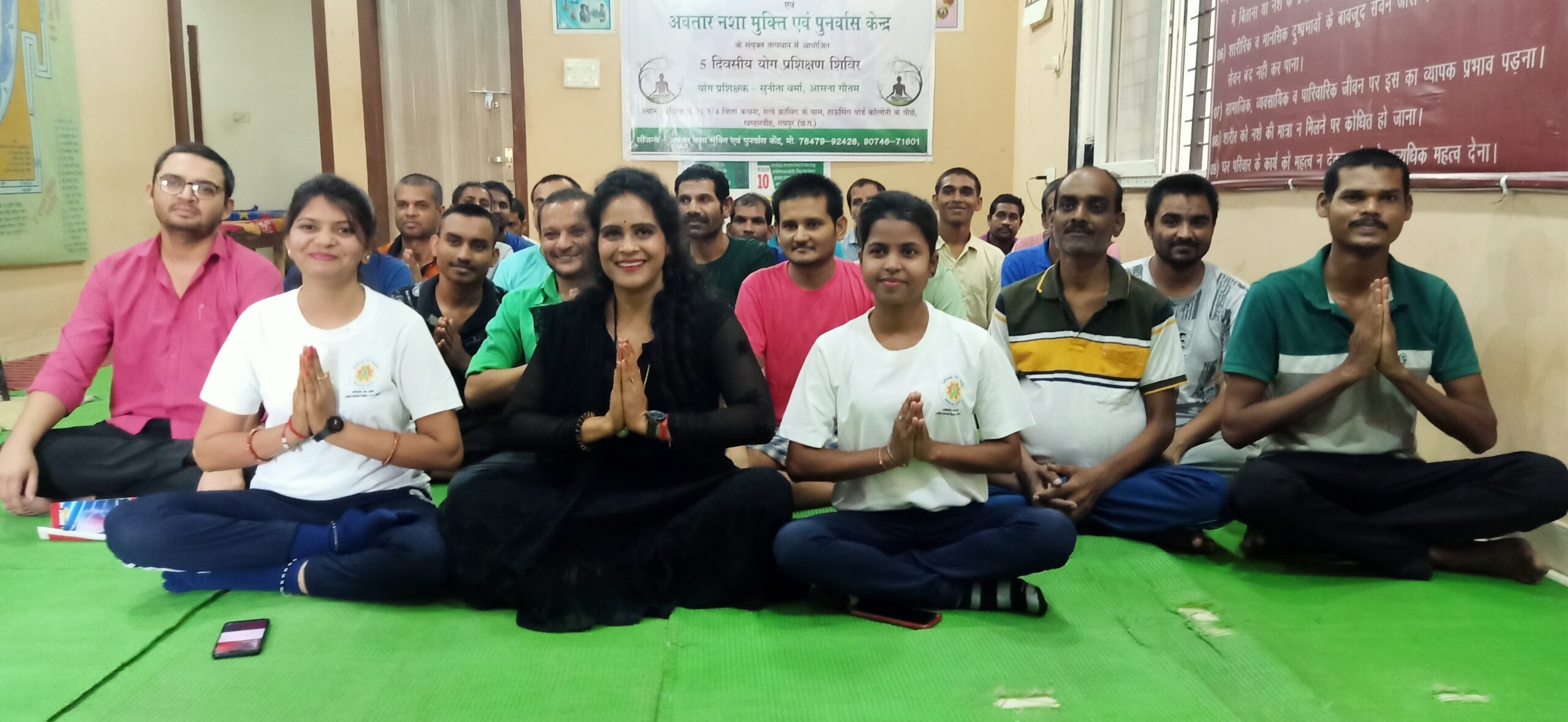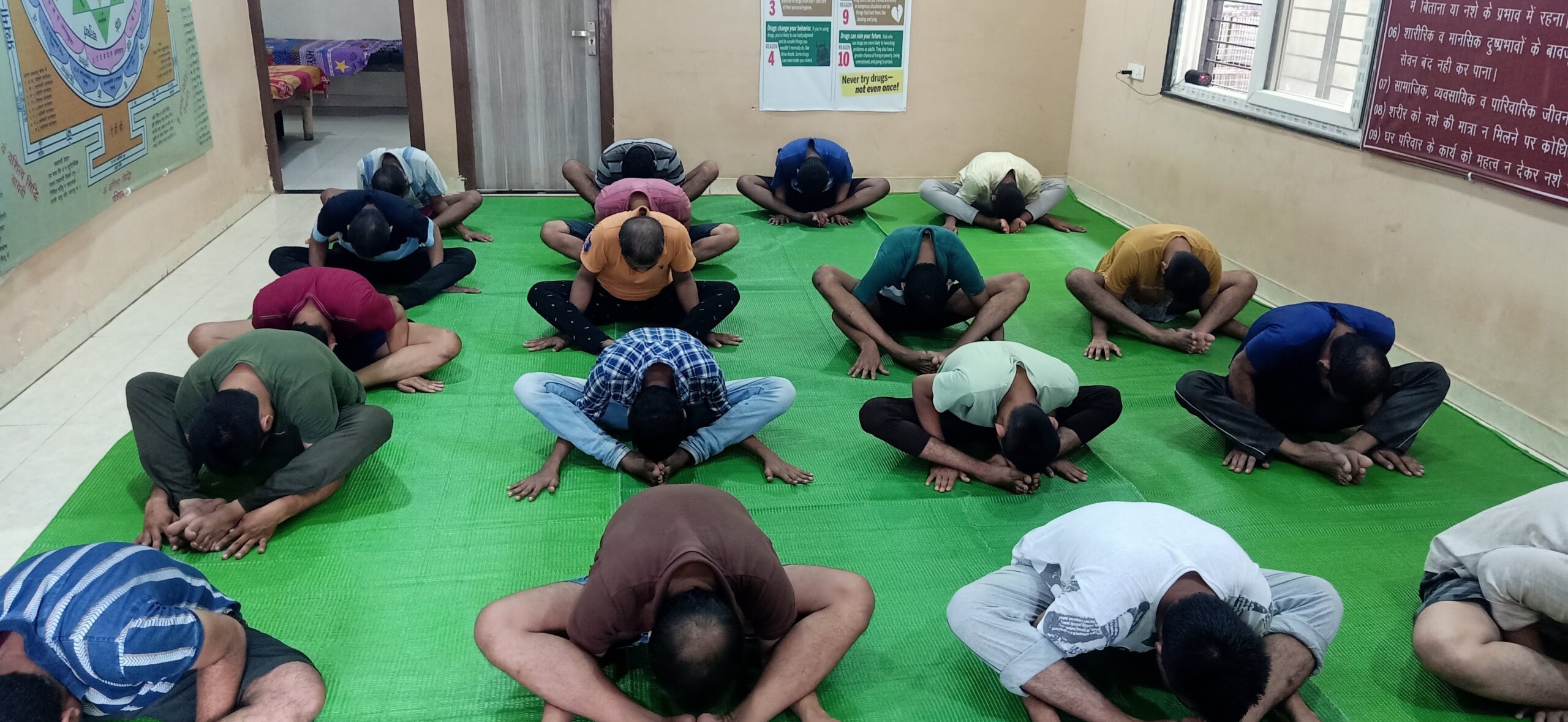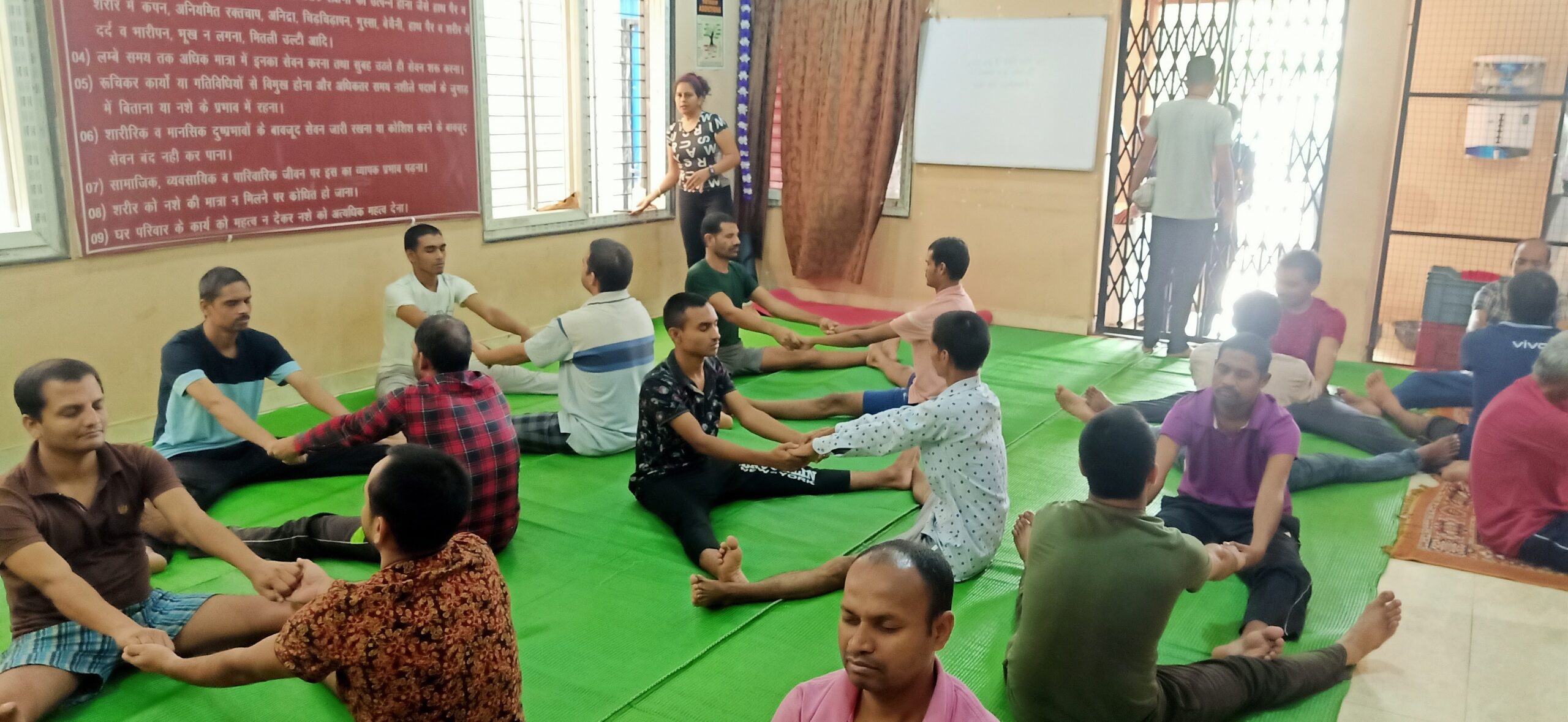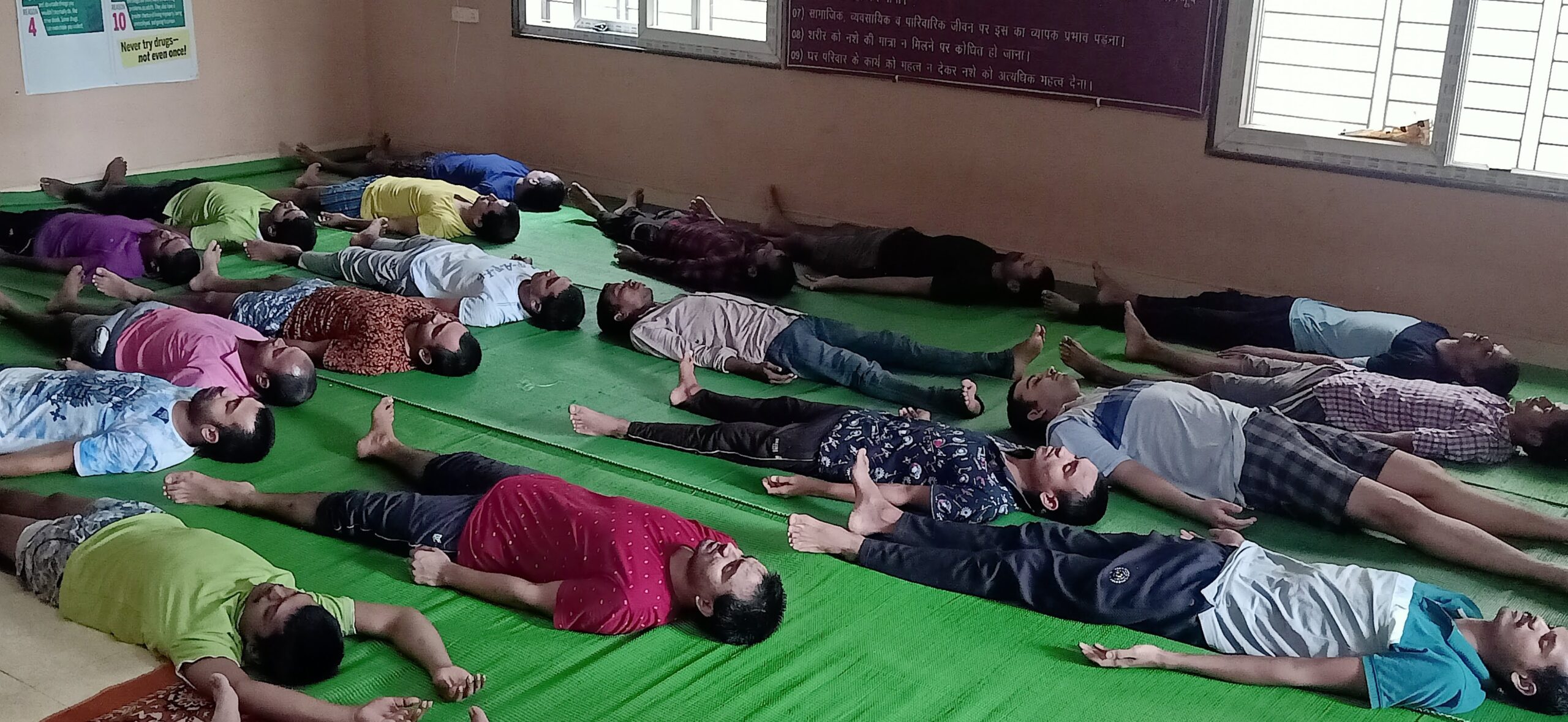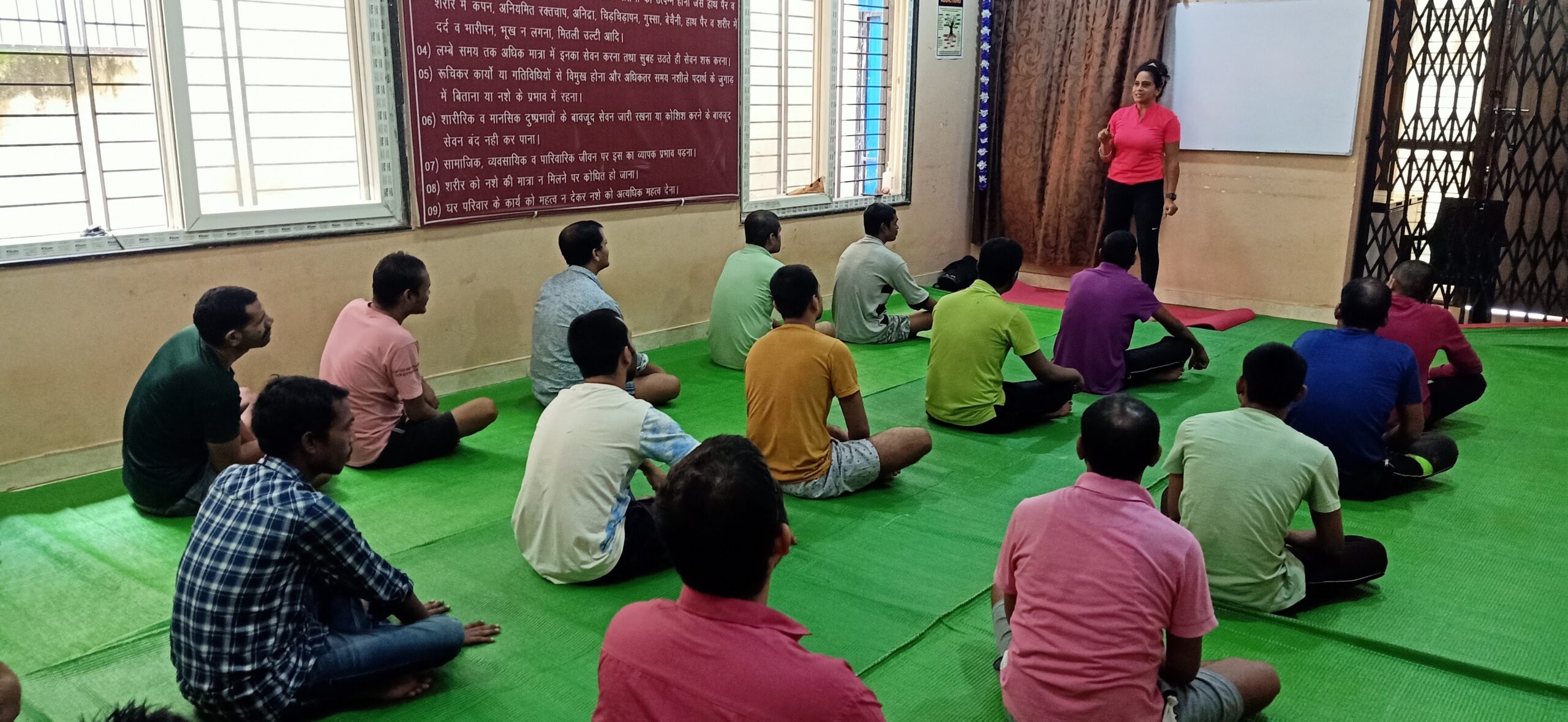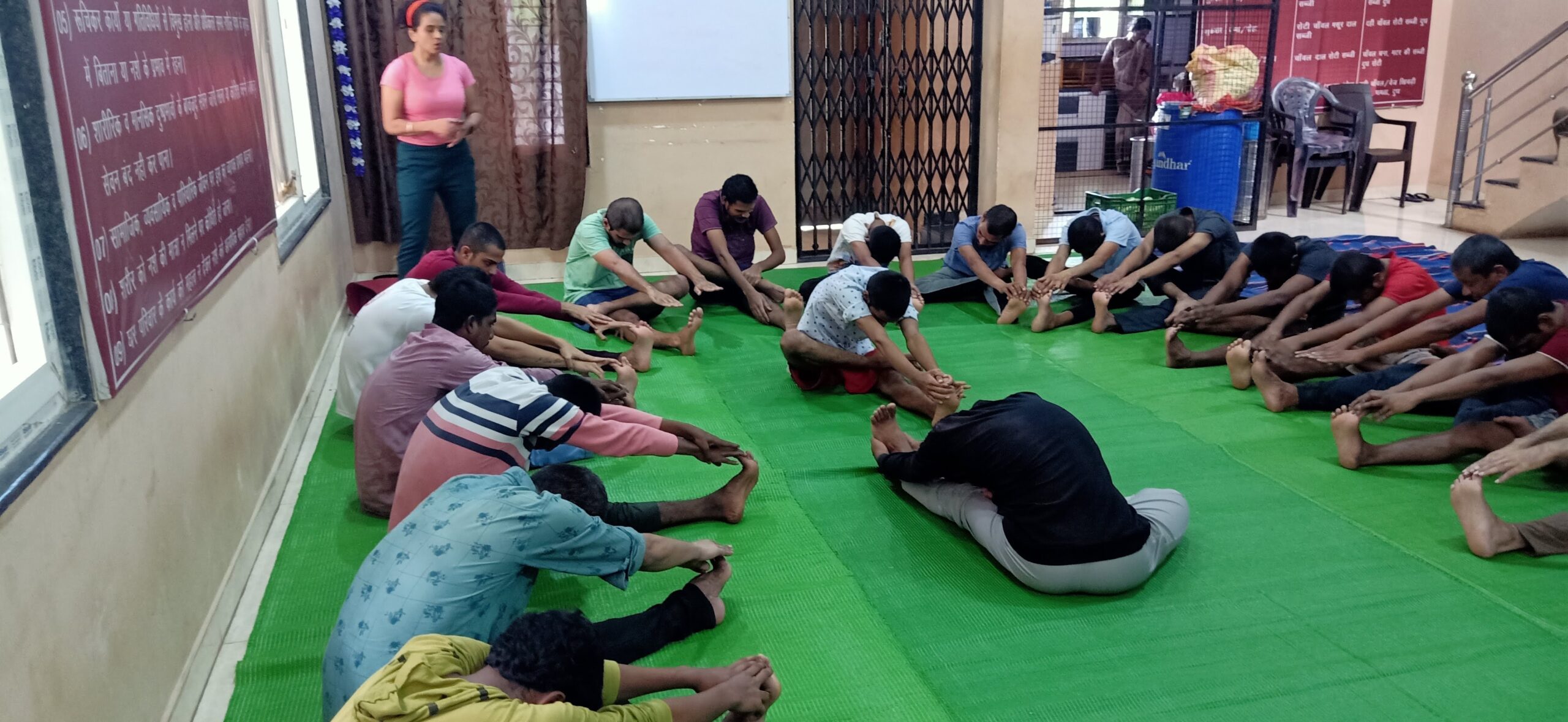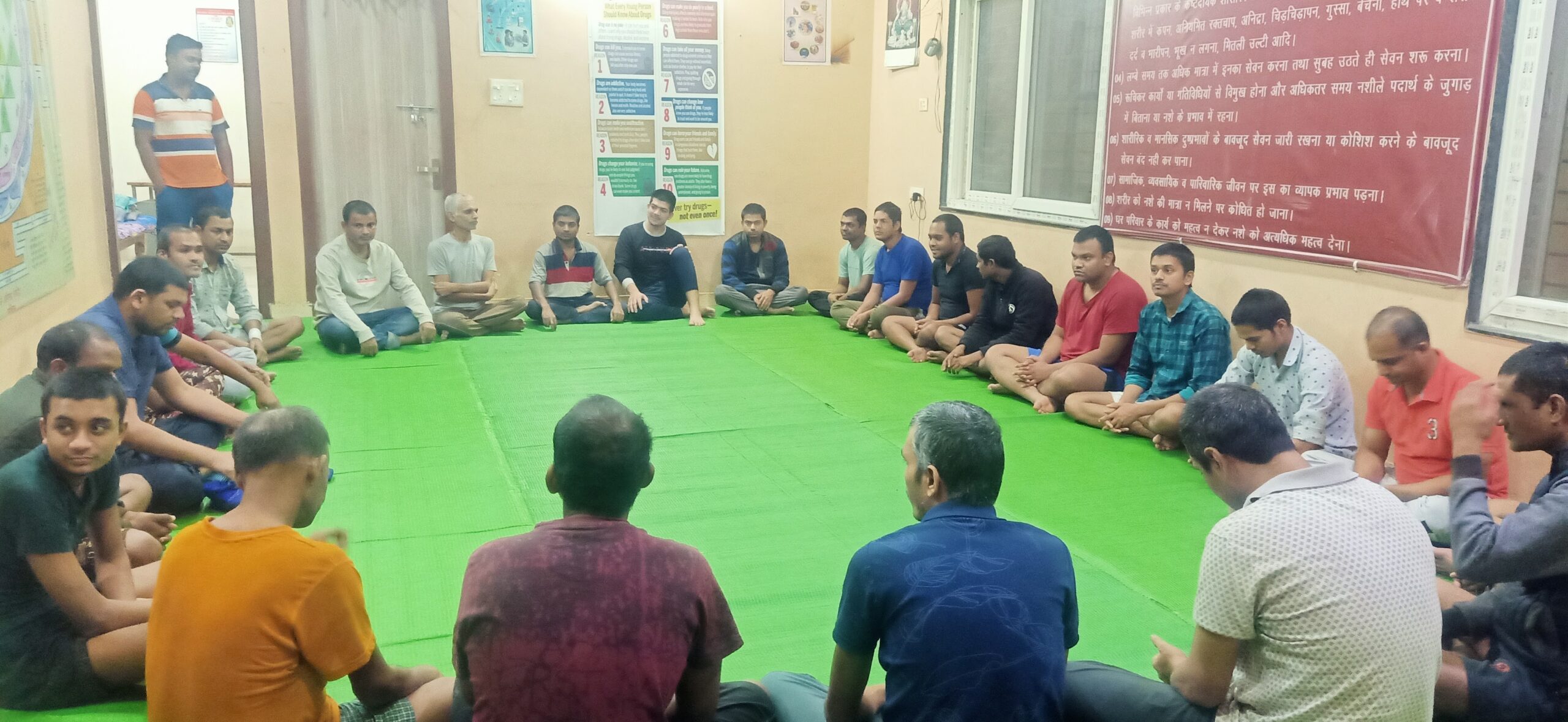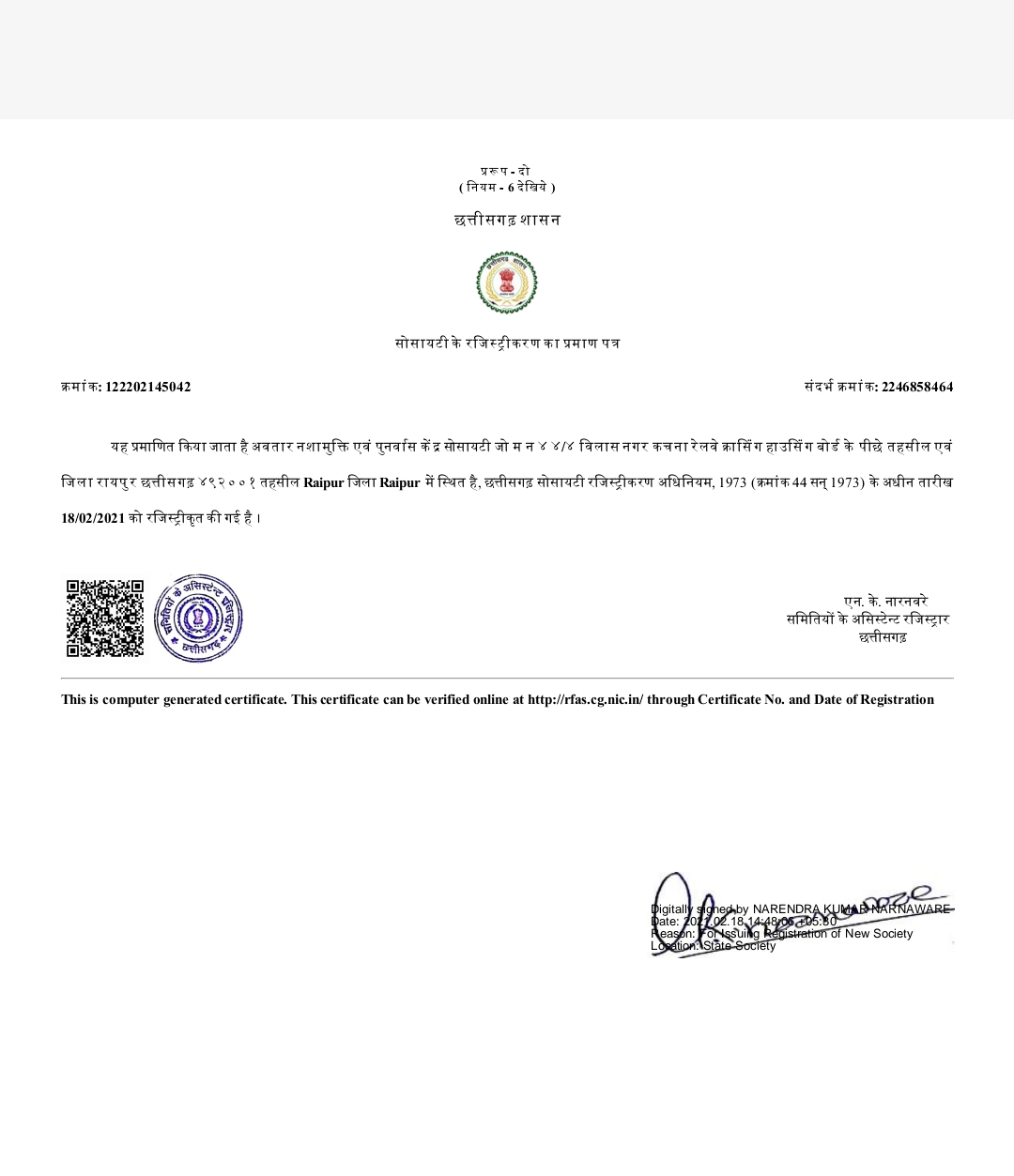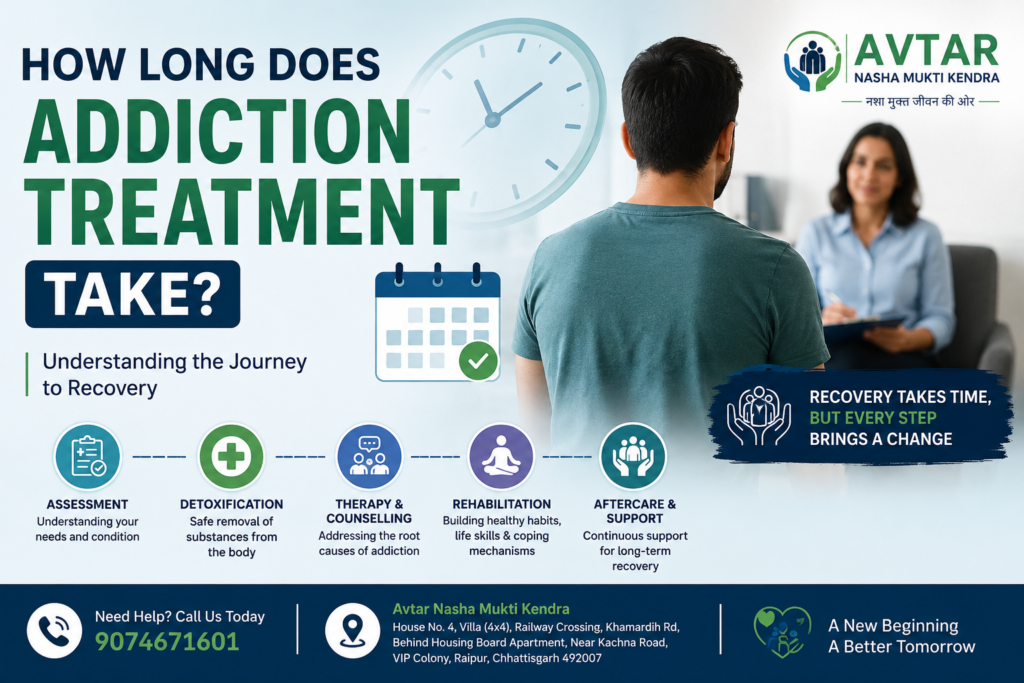
Addiction treatment does not have the same duration for everyone. The time required depends on the type of substance being used, how long the person has been using it, the severity of dependence, physical and emotional health, previous treatment history, and the individual’s response to counselling and rehabilitation. Some people may need a shorter structured program, while others benefit from a longer period of residential rehabilitation and continued aftercare. At Avtar Nasha Mukti Kendra in Raipur, the treatment process can include assessment, detoxification support when appropriate, counselling, behavioural support, family counselling, rehabilitation, relapse-prevention planning, and follow-up support. The aim is not simply to stop substance use for a few days, but to help the individual develop healthier habits and practical skills for maintaining recovery after treatment.
What Happens During the First Stage of Treatment?
The initial stage usually focuses on understanding the person’s addiction and overall needs. An assessment may consider the substance being used, frequency and duration of use, previous attempts to quit, withdrawal concerns, physical health, emotional wellbeing, and family circumstances. Based on this assessment, an appropriate treatment plan can be discussed. For people with significant physical dependence, withdrawal can sometimes become medically serious, particularly with alcohol or certain drugs, so stopping suddenly without appropriate professional guidance may not be safe.
How Long Does Detox Take?
Detoxification and rehabilitation are different stages of treatment. Detox focuses mainly on managing the physical process of stopping a substance and dealing with withdrawal symptoms. The duration can vary considerably depending on the substance, level of dependence, and the individual’s health. Detox alone does not address all the behavioural, emotional, and social factors associated with addiction. For this reason, continued counselling and rehabilitation may be recommended after detox.
How Long Does Rehabilitation Take?
There is no single treatment duration that is suitable for every person. A rehabilitation program may involve a structured period of residential care followed by continued counselling and aftercare. The appropriate duration should be decided according to the individual’s progress and treatment needs rather than choosing a fixed number of days simply because it is advertised as a standard package.
During rehabilitation, a person may work on understanding addiction triggers, improving coping skills, developing healthy routines, rebuilding relationships, managing cravings, and preparing for life after treatment. Family support and relapse-prevention planning can also be important parts of long-term recovery.
Why Is Aftercare Important?
Completing a rehabilitation program does not necessarily mean that recovery is finished. Returning to normal responsibilities can bring new challenges, including stress, social pressure, old habits, and exposure to previous triggers. Continued counselling, family support, healthy routines, and follow-up care can help a person maintain the progress made during treatment. If cravings or a return to substance use occurs, professional support should be sought rather than treating it as a reason to give up on recovery.
Can Addiction Be Treated Quickly?
It is understandable that families want a quick solution, but addiction recovery is usually more than simply stopping substance use. A short period without alcohol or drugs may not address the reasons behind the addiction or teach the skills needed to maintain long-term recovery. A better approach is to choose treatment based on the person’s needs and continue support after the residential or intensive treatment period when appropriate.
How Can Families Help?
Family members can support recovery by listening without unnecessary criticism, encouraging professional treatment, participating in family counselling when appropriate, helping maintain a stable routine, and avoiding situations that encourage substance use. Families should also establish healthy boundaries and avoid enabling addictive behaviour.
At Avtar Nasha Mukti Kendra in Raipur, individuals and families can seek guidance regarding alcohol de-addiction, drug de-addiction, counselling, rehabilitation, family support, and recovery planning. For consultation and treatment information, call +91 9074671601.
Address: House No. 4, Villa (4×4), Railway Crossing, Khamardih Rd, Behind Housing Board Apartment, Near Kachna Road, VIP Colony, Raipur, Chhattisgarh 492007.
FAQs
Q. How many days does addiction treatment take?
There is no fixed number of days for everyone. Treatment duration depends on the substance, severity of dependence, health, progress, and individual treatment needs.
Q. Is 30 days enough for addiction treatment?
A 30-day program may be appropriate for some people, but not necessarily for everyone. Treatment duration should be based on professional assessment and individual progress.
Q. Is detox the same as addiction treatment?
No. Detox primarily addresses withdrawal and the physical effects of stopping a substance. Rehabilitation also works on behavioural, emotional, social, and lifestyle factors.
Q. Can addiction treatment take several months?
Yes. Some individuals may benefit from longer-term structured treatment and continued aftercare, particularly when addiction is severe or there have been previous relapses.
Q. What happens after completing rehabilitation?
Aftercare may include counselling, family support, relapse-prevention planning, healthy routines, and follow-up assistance to help maintain recovery.
Q. How do I know what treatment duration is right for my family member?
An addiction professional can assess the person’s substance use, health, treatment history, and recovery needs and recommend an appropriate treatment plan.
Q. Can I contact Avtar Nasha Mukti Kendra for consultation?
Yes. Call +91 9074671601 to discuss addiction treatment and rehabilitation options in Raipur.