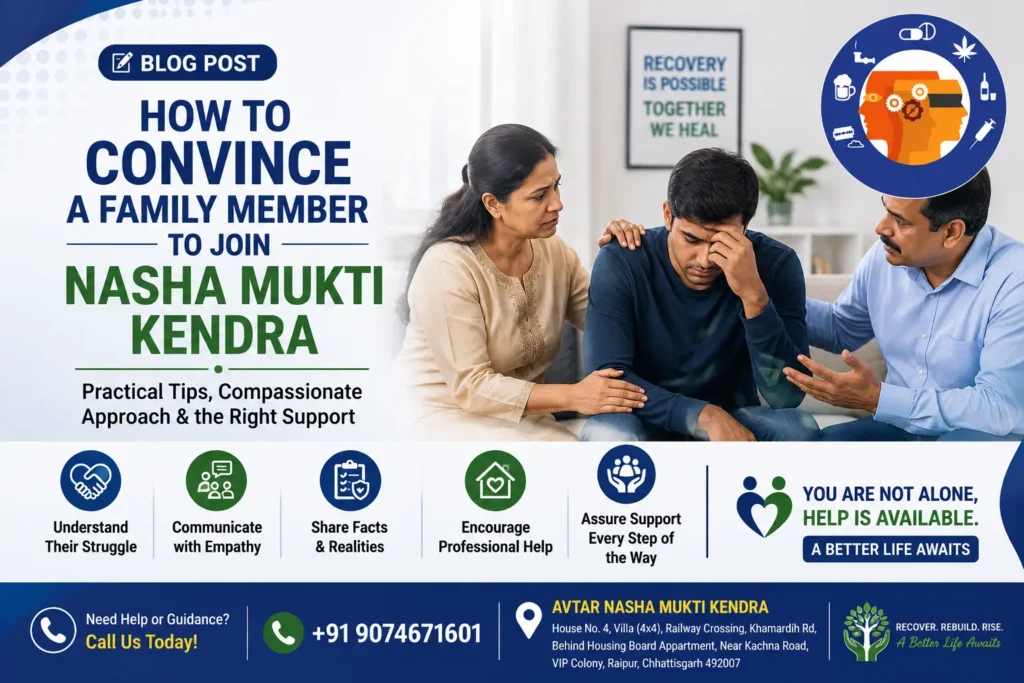
When someone in your family is addicted to alcohol or drugs, it breaks your heart. You watch them suffer. You watch them lose their health, their job, and their happiness. You want to help. But there is one big problem. The person does not want help. They refuse to go to treatment. They say “I am fine.” They say “I can stop anytime.” They get angry when you talk about it.
This is a very common situation. Almost every family with an addicted member faces this. The addict does not see their own problem. Denial is a big part of addiction. The person truly believes they are in control. They do not want to hear that they have a problem.
But do not lose hope. There are ways to convince a family member to join a Nasha Mukti Kendra. It takes patience, love, and the right words. In this article, we will share simple and effective tips that really work. We will explain what to say, what not to say, and how to handle difficult situations.
Understand Why They Refuse
Before you try to convince anyone, you must understand why they are refusing. If you know the reason, you can give the right answer. Here are the most common reasons why addicts refuse treatment:
1. They are in denial. They do not believe they have a problem. They compare themselves to others. They say “I am not as bad as him.” They think addiction only means living on the street. Because they still have a job or a home, they believe they are fine.
2. They are scared. They are afraid of treatment. They do not know what will happen there. They fear withdrawal pain. They fear being locked up. They fear being judged. Fear is a big reason why people run away from help.
3. They are ashamed. They feel guilt and shame about their addiction. They know they have done wrong things. They are embarrassed. Admitting they need help feels like accepting failure.
4. They do not want to stop. The truth is, they still enjoy using. The substance gives them pleasure. They are not ready to give it up. No matter what you say, they will not listen until they are ready.
5. They do not trust treatment. They have heard bad stories about rehab centres. Or they believe they can stop alone. They think treatment is useless.
When you understand the reason, you can choose the right approach. Each person needs a different way.
Choose the Right Time to Talk
Timing is very important. Do not talk to the person when they are drunk or high. They will not understand anything. They may become violent or aggressive. Wait for a time when they are sober and calm.
Also, do not talk to them in anger. If you are angry or upset, wait until you calm down. Angry words only make things worse. The person will close their ears and mind.
Choose a quiet and private place. No shouting. No other family members watching. Just you and them. Talk calmly. Talk with love. Talk as a friend, not as an enemy.
Start With Love, Not Blame
The biggest mistake families make is blaming the addict. They say things like “You are ruining our family.” “You are a shame to us.” “Look what you have done.” These words hurt. They make the person feel worse. They make them defensive. They will never listen after such words.
Instead, start with love. Tell them you care. Tell them you are worried because you love them. Say something like:
“I love you. You are my family. I am not here to fight with you. I just want to help you because I care about you.”
This softens their heart. They may still refuse, but they will listen more. Love opens the door. Blame closes it.
Talk About How Their Addiction Affects You
Instead of blaming the person, talk about your own feelings. Use “I” statements. This is a very powerful technique.
Do not say: “You are destroying this family.”
Say: “I feel very sad when I see you suffering. I cry at night because I am worried about you. I cannot sleep thinking about you.”
Do not say: “You are wasting all your money.”
Say: “I feel scared about our future. I worry about what will happen to us.”
When you talk about your own feelings, the person cannot argue with you. They cannot say you are wrong. Because your feelings are real. This helps them see the damage from a new angle.
Listen Without Judging
When you talk, do not do all the talking. Listen too. Let the person speak. Let them tell you their side of the story. You may be surprised by what you hear.
They may tell you why they started using. They may talk about their stress, their pain, or their failures. They may say they feel lonely. They may say they feel like a failure.
Listen carefully. Do not interrupt. Do not judge. Do not say “that is no excuse.” Just listen. When the person feels heard, they feel respected. This builds trust. And trust is what you need to convince them.
Do Not Argue
When a person is in addiction, arguing never works. They will argue back. They will get angry. They will say hurtful things. The conversation will end badly.
If the person gets angry or says “I do not want to talk,” do not force it. Say: “Okay, we can talk later. I am here whenever you are ready.” Leave the door open. Do not push.
Pushing a person makes them run away. Being patient makes them come closer. Remember this always.
Educate Them About Addiction
Many addicts do not understand that addiction is a disease. They think it is a habit or a weakness. Help them understand that addiction is a medical condition. It is like diabetes or high blood pressure. It is not their fault. But it needs treatment.
You can say: “Addiction is a disease of the brain. It is not your fault. You did not choose to become like this. But the disease can be treated. With the right help, you can get better.”
This removes the shame. When the person understands that addiction is a disease and not a moral failure, they feel less guilty. They become more open to treatment.
You can also learn about the disease yourself. Read about what causes addiction so you can explain it in simple words. When you talk with knowledge, the person takes you more seriously.
Talk About the Consequences Gently
You do not need to scare the person. But they need to understand what will happen if they do not get help. Talk about the real consequences gently.
You can say: “If we do not do something, you may lose your job. Your health is getting worse. One day you may end up in the hospital. I do not want that for you.”
You can talk about the future. “What about your dreams? What about your children? Do you want them to see you like this? Do you want to miss their important moments?”
These words make the person think. They may not agree today. But the thoughts stay in their mind. Later, when they are alone, they will remember your words.
You can also share information about 5 warning signs of addiction. Ask them to check if they have these signs. Sometimes a person accepts the truth when they see it themselves.
Offer Hope, Not Fear
Fear alone does not work. The person needs hope too. They need to believe that recovery is possible. They need to see that there is a way out.
Tell them about people who have recovered. Tell them that treatment works. Tell them that life can be better. Say: “Many people with your problem have recovered. They are living happy lives now. You can too.”
You can share stories of success. You can tell them about a Nasha Mukti Kendra that has helped many people. This gives them hope. Hope is stronger than fear.
You can show them the success rate of Nasha Mukti Kendras. When they see real numbers, they start to believe.
Take Them to See the Centre
Many people refuse treatment because they are scared of the unknown. They do not know what a Nasha Mukti Kendra looks like. They imagine a prison. They imagine torture. They imagine the worst.
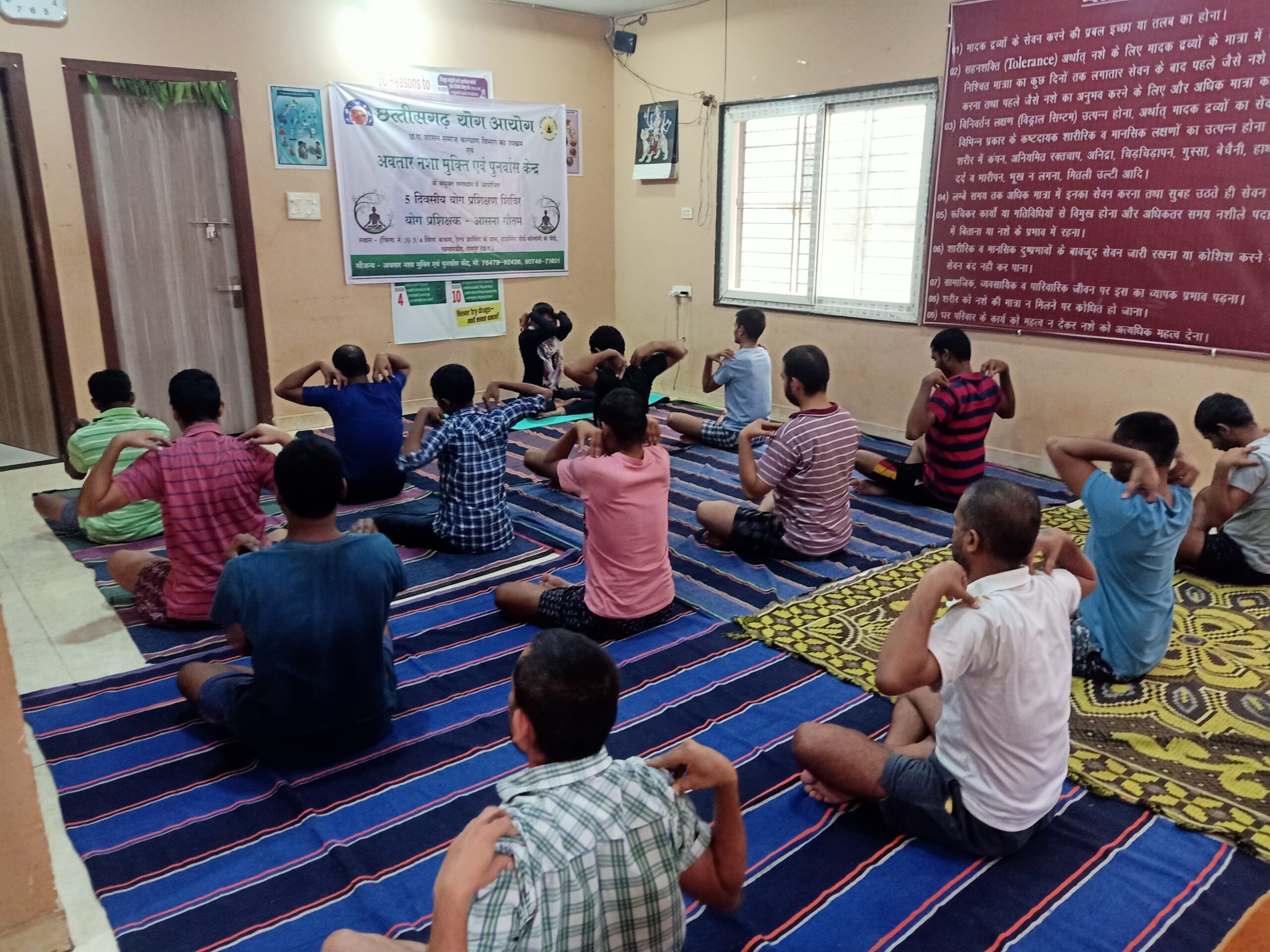
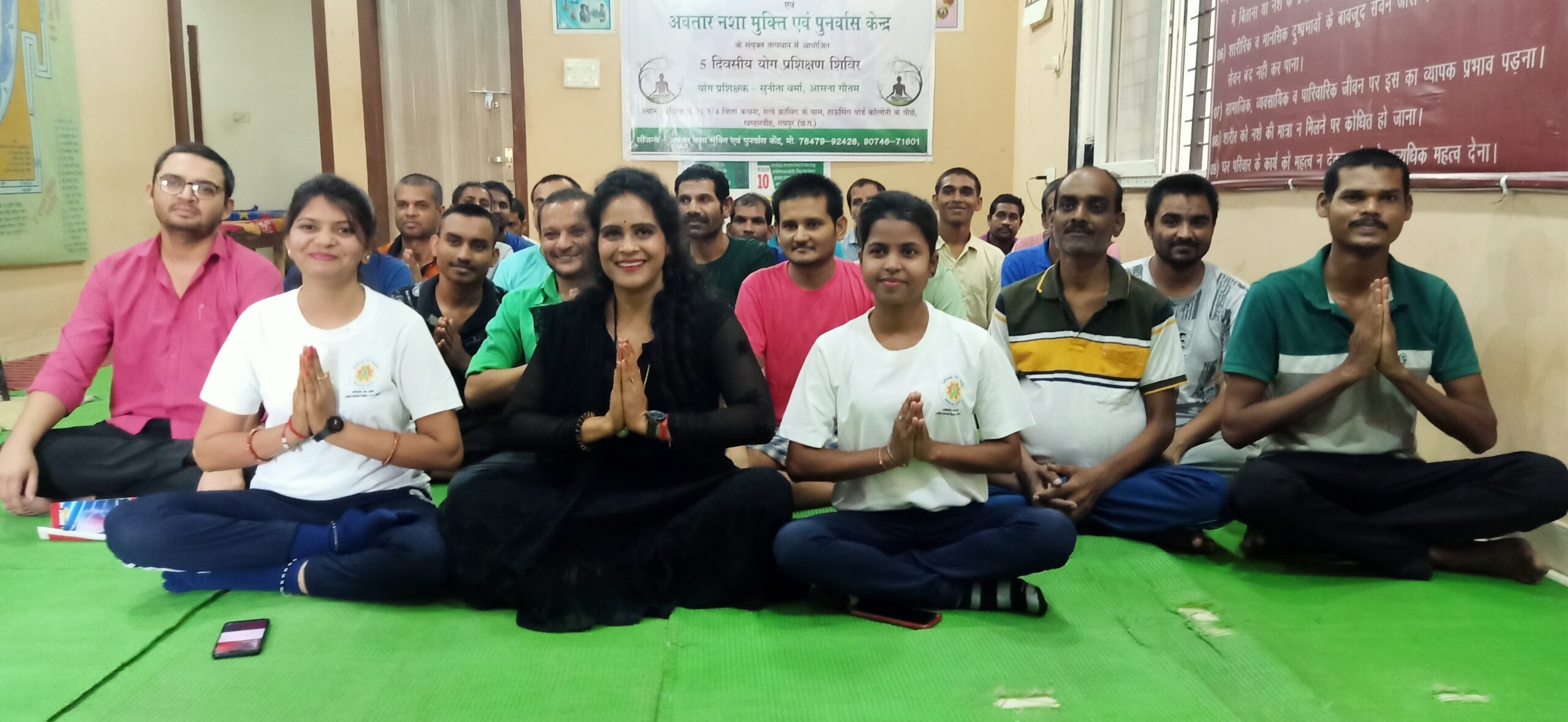
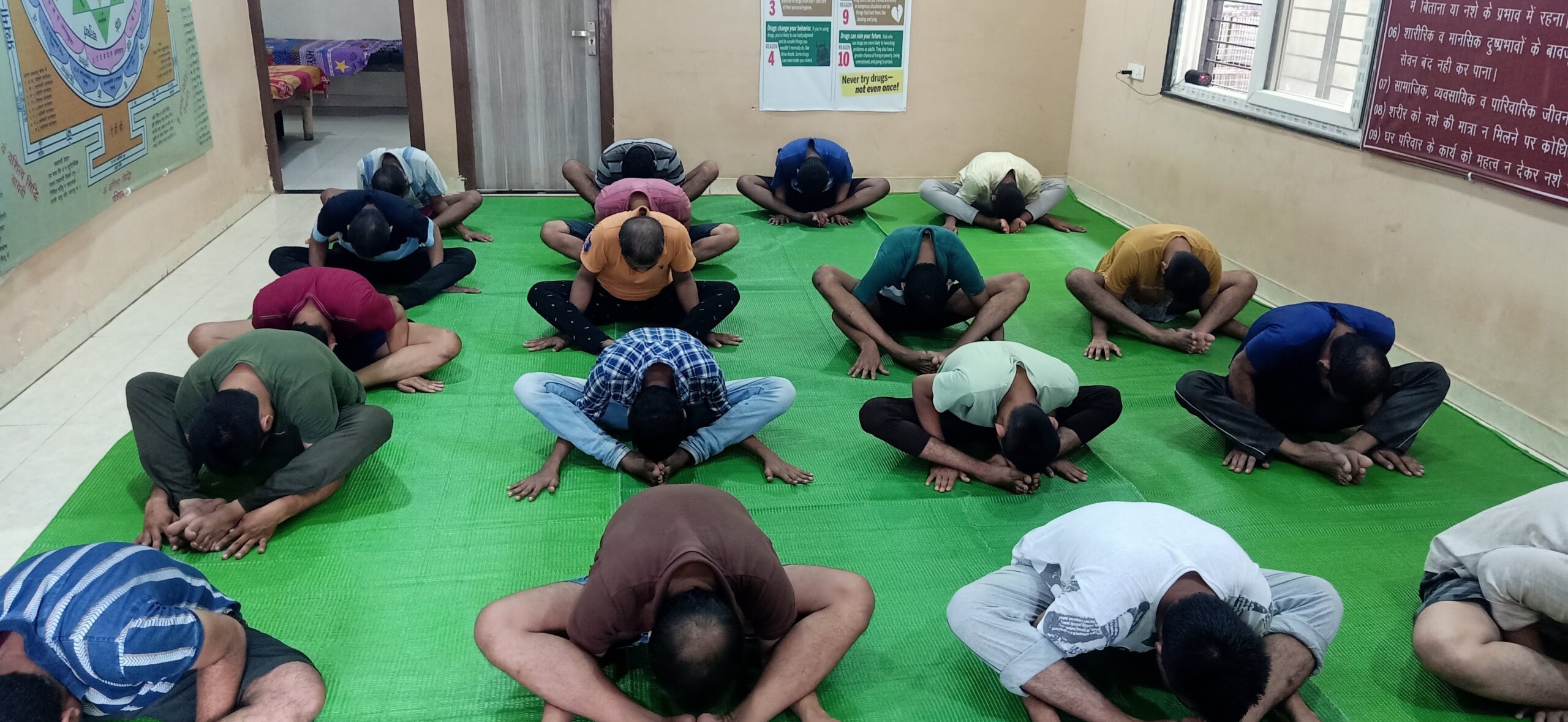
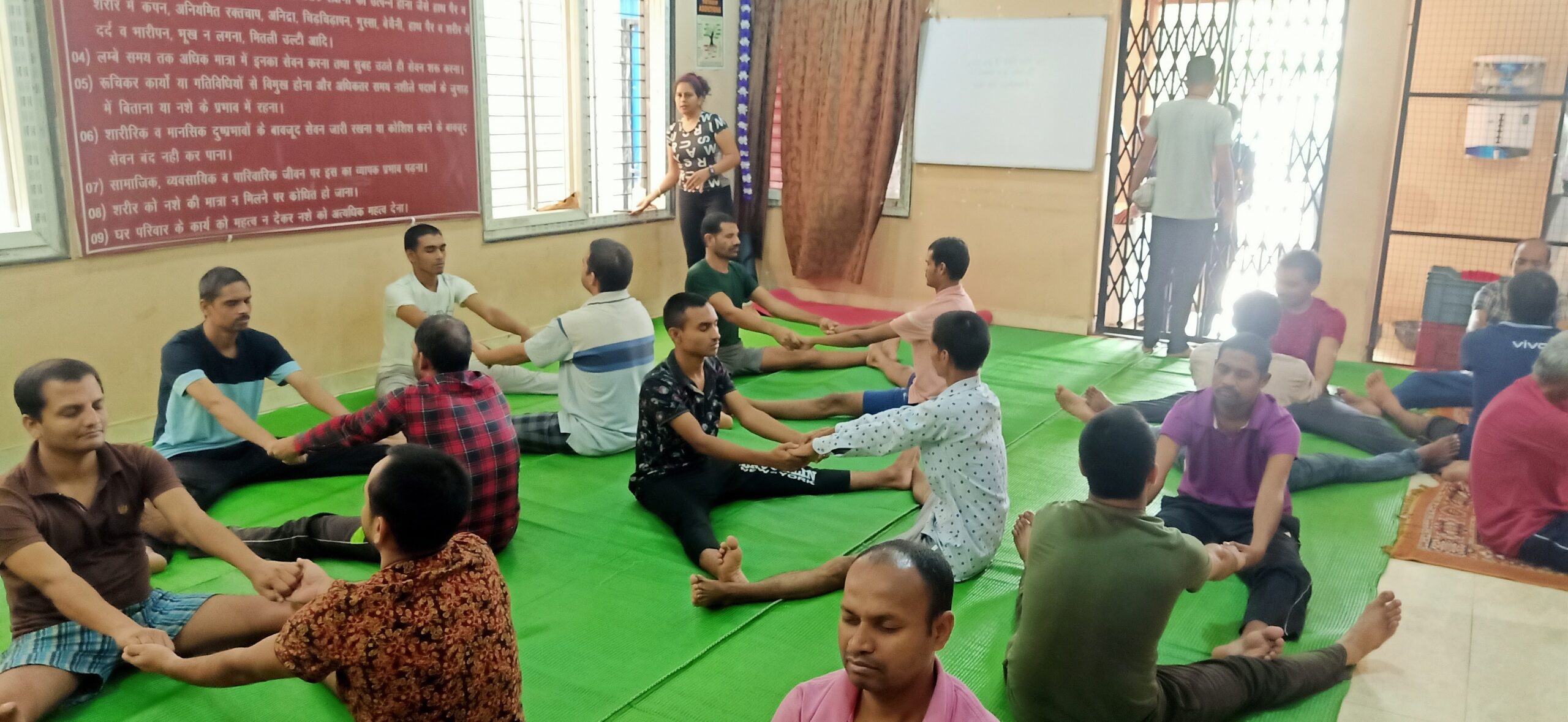
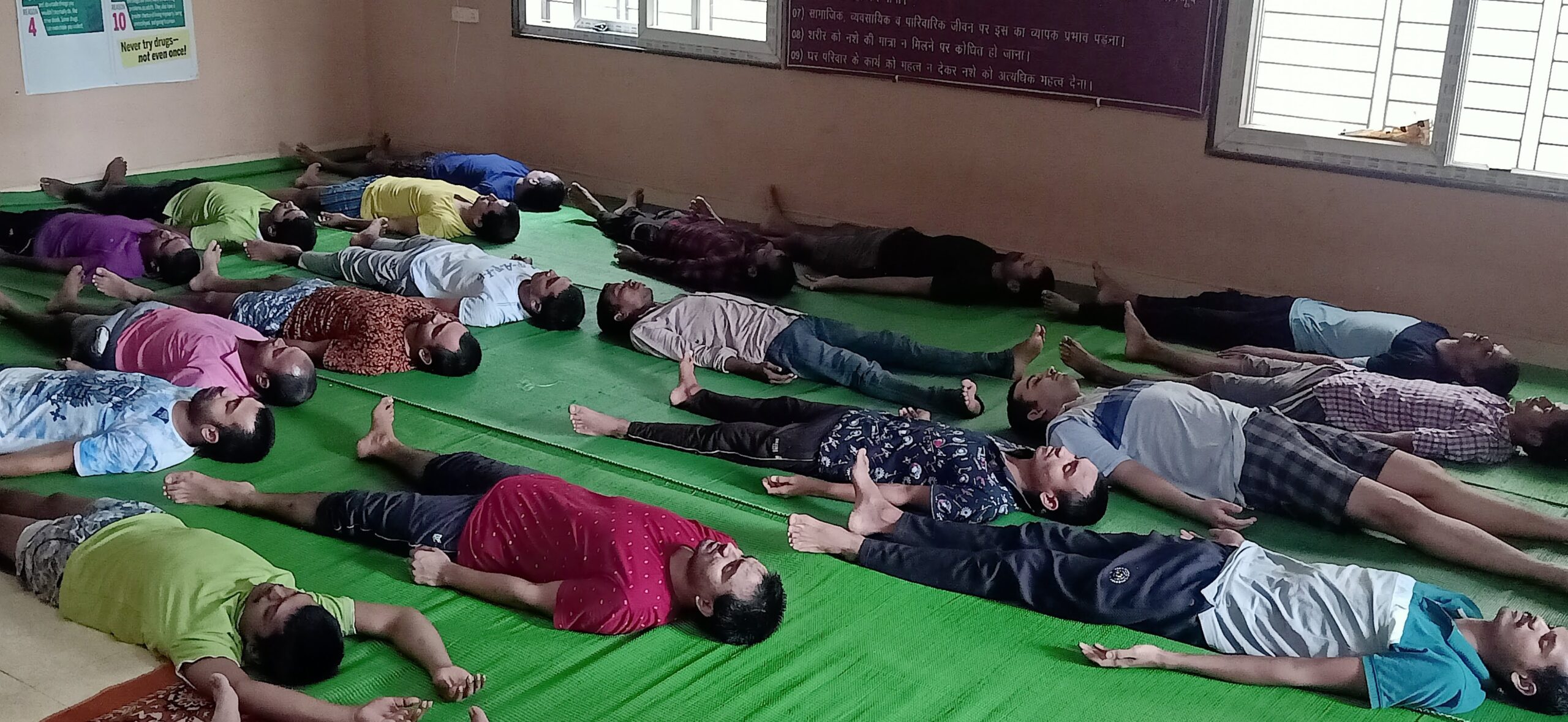
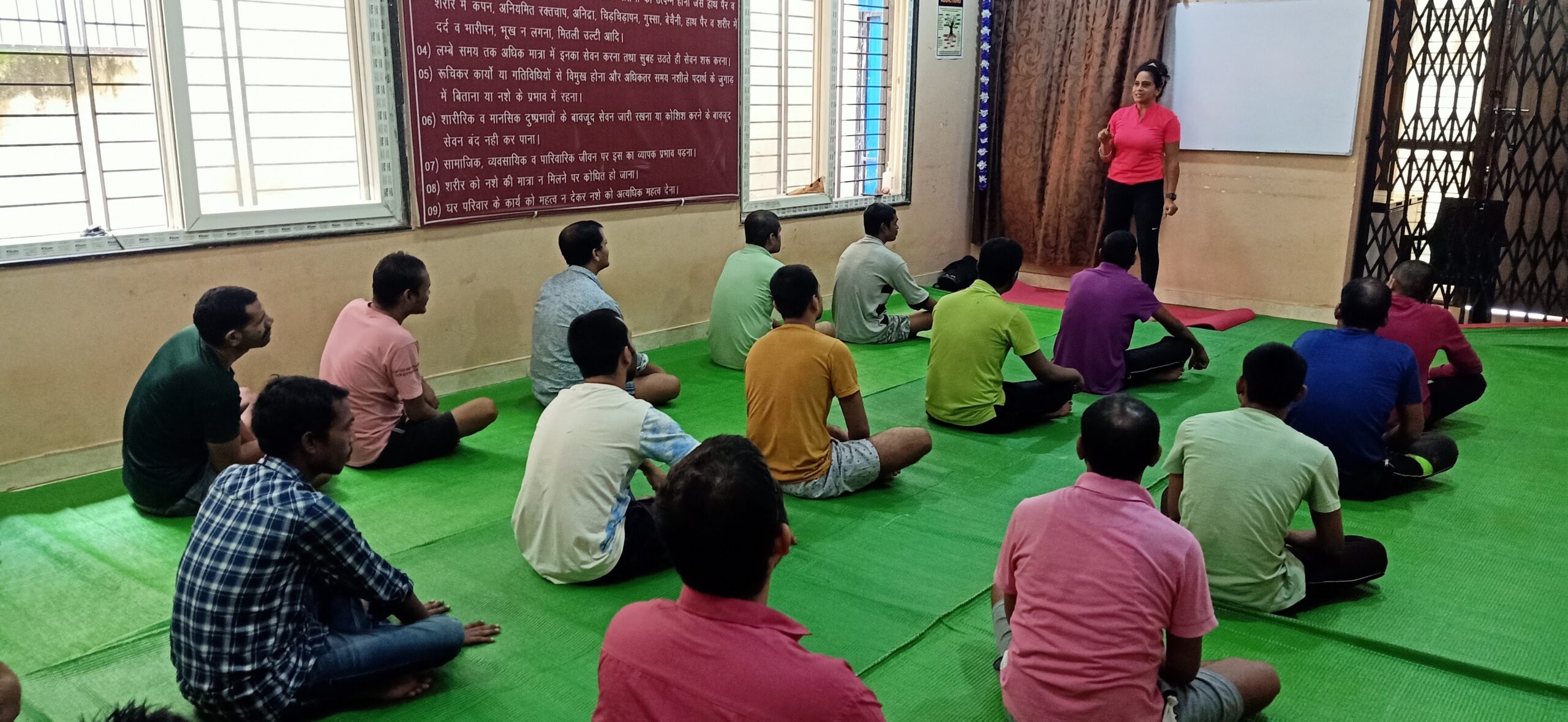
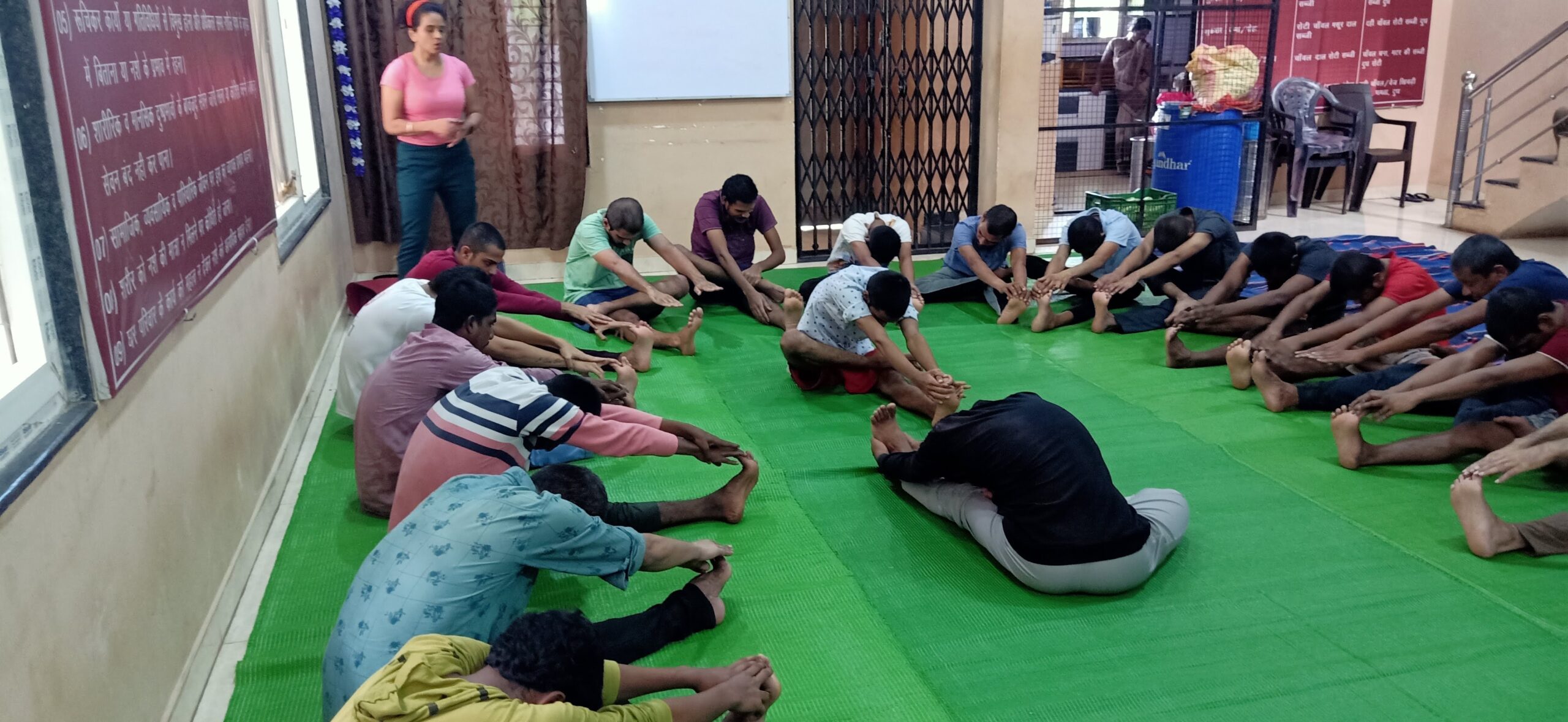
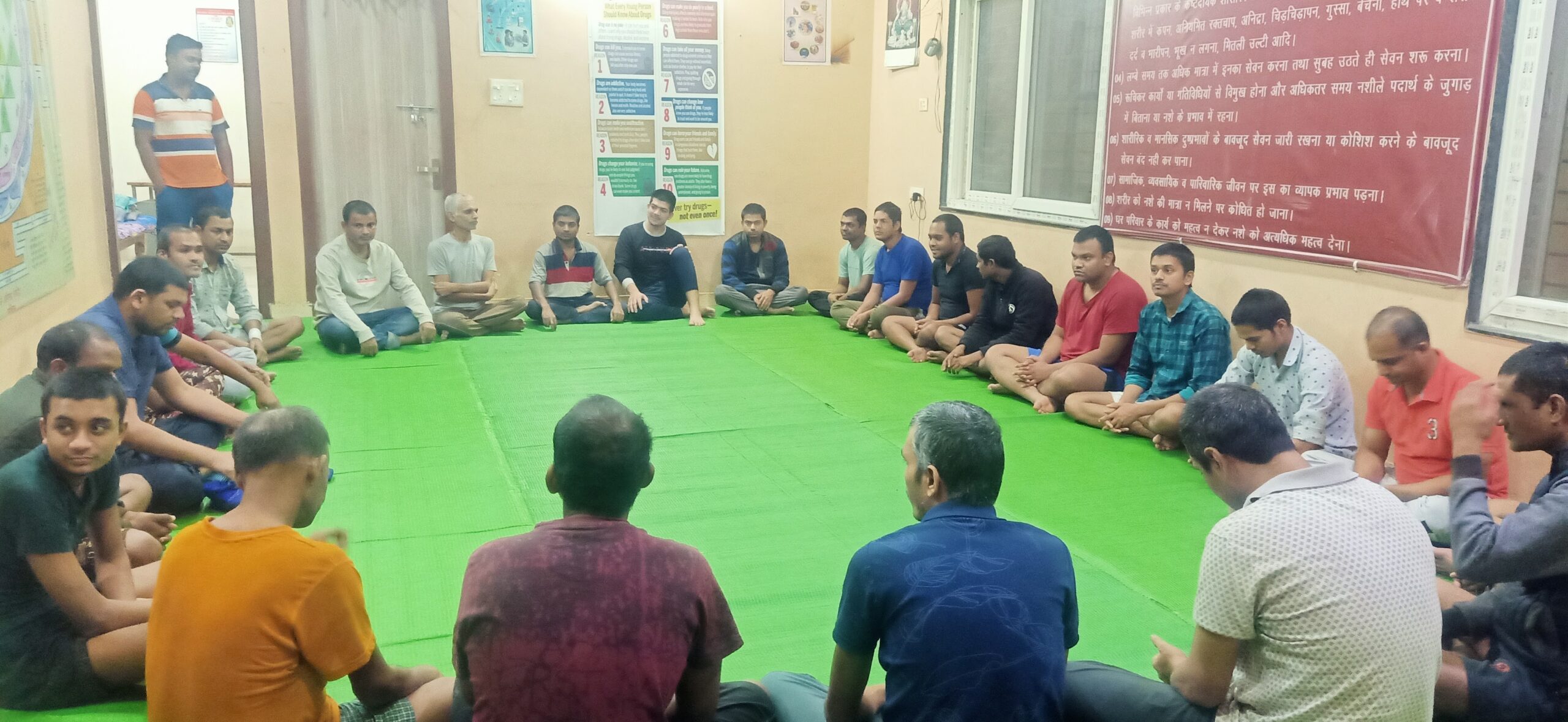
Take away this fear. Take the person to visit the centre. Show them the rooms. Show them the food. Let them meet the staff. Let them talk to a counselor. Let them see that it is a safe and caring place.
When the person sees the centre with their own eyes, their fear reduces. They realize it is not a jail. It is a place of healing. This visit can change their mind completely.
Do not force them inside. Just let them see and feel. Let them ask questions. Let them decide with their own eyes.
Use the Help of a Professional
Sometimes, no matter what you say, the person will not listen to family. This is very common. In addiction, the family has often lost their influence. The person does not trust them anymore. They have heard too many lectures.
In such cases, get the help of a professional. A counselor or doctor who specializes in addiction can talk to the person. They know the right words. They know how to break through denial. They have done this many times.
This is called an intervention. A professional can arrange a meeting where family members and a counselor talk to the addict together. The counselor guides the conversation. This is very effective.
You can contact a Nasha Mukti Kendra and ask for guidance. The counselors there can help you convince your family member. They can even talk to the person on the phone. Do not try to do everything alone.
Do Not Give Money or Cover Up
One big mistake families make is protecting the addict. They give them money. They pay their debts. They make excuses for them at work. They hide their addiction from others. They hope this will help. But it makes things worse.
When you keep saving the person from consequences, they never face the truth. They never feel the need to change. Why would they stop? You are solving all their problems.
Stop covering up. Stop giving extra money. Let them face the results of their actions. Sometimes the person needs to hit rock bottom before they accept help. It is hard to watch. But sometimes it is necessary.
This does not mean you stop loving them. It means you stop enabling them. Enabling is different from helping. Helping means support. Enabling means letting the addiction continue.
Do Not Suffer Alone
Living with an addict is very stressful. It affects your own mental health. You may feel depressed, anxious, and exhausted. You may feel ashamed and want to hide from others.
Do not suffer alone. Talk to trusted people. Join a family support group. Meet other families who are going through the same thing. They understand your pain. They can give you strength and advice.
Many Nasha Mukti Kendras offer family counseling. You can go for counseling even if your loved one has not agreed to treatment yet. The counselor can guide you on how to handle the situation. They can also help you take care of your own mental health.
Remember, you cannot pour from an empty cup. You need to be strong to help your loved one. Take care of yourself first.
Be Patient
Convincing an addict takes time. It does not happen in one conversation. It may take weeks or months. The person may say no many times before they say yes. This is normal.
Do not give up after one failure. Keep trying. Keep talking with love. Keep the door open. Keep reminding them that help is available.
Most people who enter treatment did not agree the first time. Their family kept trying. They kept planting the seed. One day, the seed grew. One day, the person was ready.
Your patience can save a life. Do not lose hope. Keep loving. Keep trying.
What If They Still Refuse?
Sometimes, despite all your efforts, the person still refuses. This is the hardest situation. You may feel helpless. But remember – you cannot force a person to change. They must want it themselves.
What can you do?
1. Keep supporting them from a distance. Let them know you are there when they are ready.
2. Take care of yourself and other family members. Do not let addiction destroy everyone.
3. Keep sharing information about treatment in a gentle way.
4. Wait for the right moment. Sometimes a crisis makes the person ready. An overdose, a job loss, or a serious health problem can open their eyes.
5. Never stop praying and hoping. Many people change after years of refusing.
Your job is to be ready when they are ready. When they finally say yes, act fast. Take them to a Nasha Mukti Kendra immediately. Do not delay.
If you are ready and your family member agrees, you can check what to look for in a Nasha Mukti Kendra to choose the right centre. A good choice gives the best chance of recovery.
Final Thoughts
Convincing a family member to join a Nasha Mukti Kendra is not easy. It is one of the hardest things a family can do. But it is also one of the most important. Your effort can save a life.
Remember these key points:
1. Understand why they refuse.
2. Choose the right time to talk.
3. Start with love, not blame.
4. Talk about your feelings.
5. Listen without judging.
6. Do not argue.
7. Educate them about addiction.
8. Talk about consequences gently.
9. Offer hope.
10. Take them to see the centre.
11. Use professional help.
12. Stop covering up.
13. Do not suffer alone.
14. Be patient.
Addiction is a disease. But it can be treated. Many families have been in your position. Many have succeeded. Their loved ones recovered and got their lives back. Your family can be one of them.
If you need help, do not hesitate to contact Avtar Nasha Mukti Kendra. Their counselors can guide you and your family through this difficult time. You do not have to walk this path alone.