Addiction is a word we hear very often these days. But do we really understand what it means and how it starts? Many people think addiction happens overnight. That is not true. Addiction is a slow process. It takes time. It grows step by step. Most people do not even realize when they move from one step to the next. By the time they understand, it becomes very hard to stop.
Understanding the 5 steps of addiction is very important. When you know these steps, you can catch the problem early. You can stop before it is too late. You can help yourself or your loved one before addiction takes full control.
In this article, we will explain each step in very simple and easy words. We will also talk about what happens in each step and how you can get help. This guide is for everyone – for people who use substances, for their families, and for anyone who wants to understand addiction better.
Why Does Addiction Happen?
Before we talk about the 5 steps, let us understand why addiction happens. Addiction is not a choice. It is not a sign of weak character. It is a disease of the brain. When a person uses alcohol or drugs, the brain releases a chemical called dopamine. This chemical makes the person feel good. The brain remembers this good feeling. It wants to feel that way again and again. Over time, the brain changes. It starts needing more of the substance to feel the same happiness. This is how addiction begins.
Some people are more at risk than others. Family history plays a big role. If your parents or close family members had addiction, you are at higher risk. Mental health problems like stress, anxiety, and depression also increase the risk. The people around you matter too. If your friends use substances, you may feel pressure to try them. What causes addiction can be different for different people. But the steps are almost always the same.
Now let us look at the 5 steps of addiction one by one.
Step 1: First Use – The Beginning
This is the very first step. It is called experimentation or first use. In this step, a person tries a substance for the first time. It could be alcohol, cigarettes, marijuana, prescription pills, or any other drug.
Why do people start? There are many reasons. Some people start because of curiosity. They want to know how it feels. Some start because of friends. When everyone around you is drinking or smoking, it is hard to say no. Some start because they are going through a hard time. They feel sad, stressed, or angry. They think the substance will make them feel better. Some people start because they see others doing it in movies or on social media. They think it looks cool or fun.
At this stage, the person believes they are in full control. They think they can try it once and stop forever. They say to themselves, “I am just trying it. I will not become an addict.” For many people, this thought is true. They try it once and never do it again. But for others, that one time opens a door. That one time is the first step toward a long and difficult journey.
The danger of this step is that you never know who will become addicted and who will not. No one starts using with the plan to become an addict. But once you start, your brain begins to change. The first use may feel harmless. But it is the seed from which addiction can grow.
This is why prevention is so important. If a person never starts, they can never become addicted. Talking to children and young people about the dangers of substance use is very important. Schools and families should teach them how to say no. If you are a parent, watch for changes in your child’s behavior. If they are spending time with new friends or acting differently, it may be a sign that they are in this first step. Many patients who need rehabilitation today started with just one small try years ago.
Step 2: Regular Use – The Habit Forms
This is the second step. In this step, the person starts using the substance more often. It is no longer a one-time thing. It becomes a pattern. It becomes a habit.
In the beginning of this step, the person uses only in certain situations. Maybe they drink only on weekends. Maybe they smoke only when they are with certain friends. They still believe they are in control. They tell themselves, “I only do it sometimes. I am not addicted.”
But slowly, the “sometimes” becomes more frequent. They start using when they are alone. They start using when they are happy. They start using when they are sad. They find more and more reasons to use. The substance becomes a part of their daily life.
What happens in the body during this step? The body starts getting used to the substance. It builds tolerance. This means the person needs more of the substance to feel the same effect. A person who used to feel drunk after one beer may now need three beers. A person who used to feel high after one joint may now need two or three. This increasing tolerance is a very dangerous sign.
The person may also start planning their day around the substance. They think about when they will get their next drink or their next drug. They look forward to it. They feel restless if they cannot use. They may make excuses to use. They may hide their use from family members.
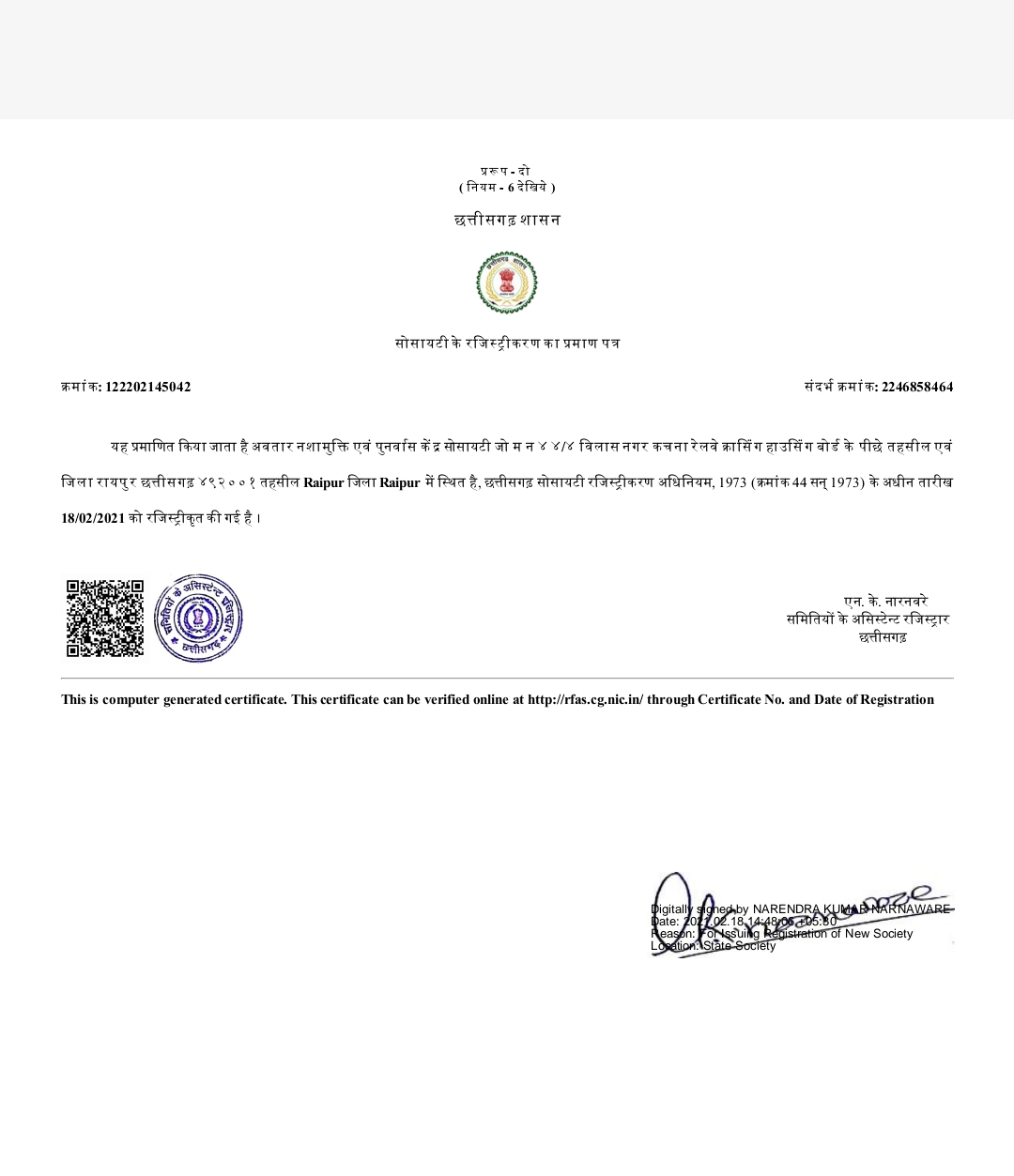
At this stage, the person can still stop. It is not easy, but it is possible. The habit is there, but the brain has not changed completely. The earlier a person stops, the easier the recovery. If you see that you or someone you know is moving from occasional use to regular use, it is time to take action. Talk to someone. Ask for help. Visit a good center like Avtar Nasha Mukti Kendra Chhattisgarh for advice and support.
Step 3: Risky Use – The Warning Signs
This is the third step. It is also called problem use or risky use. In this step, the person’s use starts causing real problems in their life. But they still continue to use.
What kind of problems? Many kinds. The person may start missing work or school because they are hungover or high. They may perform poorly at their job. They may get into fights with family members and friends. They may have money problems because they spend too much on the substance. They may drive under the influence, which is very dangerous. They may do things they would never normally do.
Relationships start to break down in this step. The person’s family may notice changes. They may see that the person is irritable, angry, or distant. Trust starts to go away. Family members may feel hurt, confused, and scared. They may not know what to do. Arguments become common. The person may feel guilty about their behavior but still cannot stop.
Health also starts to decline in this step. The person may lose or gain weight. Their skin may look unhealthy. Their eyes may look red or tired. They may have frequent headaches, stomach problems, or other health issues. They may not sleep well. They may feel tired all the time.
But here is the thing – even in this step, the person still believes they are in control. They make excuses. They blame others. They say things like, “I can stop anytime I want. I just do not want to stop right now.” They may promise to cut down but never do. They may hide the amount they are using. They may lie to doctors and family members.
This is the step where many families first realize that something is seriously wrong. They may try to talk to the person. They may try to help. But the person may refuse help. They may get angry. They may say they do not have a problem.
If you are in this step, please know that it is only going to get worse if you do not stop. Your problems will not go away on their own. The substance is not helping you. It is making everything worse. The sooner you get help, the sooner you can fix your life. If you are a family member, do not give up. Keep talking. Keep supporting. Keep encouraging the person to get treatment.
One common question people ask at this stage is can addicts recover without rehab. The answer is – it is possible for some people in the early steps. But for most people, especially when they reach this step, professional help is needed.
Step 4: Dependence – The Body Needs It
This is the fourth step. It is called dependence. At this point, the person’s body has changed. It now needs the substance to feel normal. Without the substance, the body feels sick. This is called withdrawal.
Withdrawal symptoms are different for different substances. For alcohol, withdrawal can cause shaking, sweating, nausea, fast heartbeat, anxiety, and trouble sleeping. In severe cases, it can cause seizures and hallucinations. For opioids like heroin, withdrawal causes muscle pain, diarrhea, vomiting, and strong cravings. For stimulants like cocaine, withdrawal causes tiredness, depression, and strong urges to use again.
The withdrawal symptoms are so unpleasant that the person uses just to feel normal. They are no longer using to get high or feel good. They are using to stop feeling bad. This is a very big difference.
In this step, the person’s life becomes very small. Their whole world revolves around the substance. They think about it all the time. They plan their day around getting and using it. They may stop doing things they used to enjoy. They stop meeting friends. They stop hobbies. They stop caring about their appearance. The only thing that matters is the next drink or the next dose.
At this stage, the person may also start having legal problems. They may get caught driving under the influence. They may get into fights. They may steal money to buy the substance. They may get arrested. These problems add more stress, which makes the person want to use even more. It becomes a vicious cycle.
The family suffers a lot in this step. They may feel helpless, angry, scared, and sad. They may have tried everything to help – talking, fighting, crying, begging, threatening. Nothing seems to work. The person may have lied to them many times. The trust is broken. The family may feel like they are losing their loved one.
If you or your loved one is in this step, please understand that detoxification is usually the first step of treatment. Detox means cleaning the substance out of the body under medical supervision. This should always be done with professional help because withdrawal can be dangerous. After detox, the person needs counseling, therapy, and support to stay clean. A good rehabilitation center can provide all of these services. You can check the procedure of Nasha Mukti Kendra Chhattisgarh to understand how treatment works.
Step 5: Full Addiction – The Crisis Stage
This is the fifth and final step. This is full addiction. This is also called the crisis stage. At this point, the person has lost all control. The addiction is in charge. The person’s life is falling apart completely.
What does full addiction look like? The person may have lost their job. They may have lost their home. They may have lost all their relationships. Family members may have cut ties because they could not take it anymore. The person may have serious health problems. They may have liver disease, heart problems, lung damage, or brain damage. They may have overdosed or come close to dying.
In this step, the person may do things they never thought they would do. They may steal from family members. They may sell their belongings. They may borrow money and never return it. They may lie to everyone. They may trade their dignity for the substance. The addiction is the most important thing in their life. Everything else has lost its value.
Mental health also becomes very bad in this step. The person may feel deep shame, guilt, and hopelessness. They may hate themselves for what they have become. They may want to stop but feel like they cannot. They may feel like there is no way out. Depression and anxiety are very common. Some people even think about suicide. This is a very dangerous stage.
But here is the most important message of this article: even at this stage, recovery is possible. Yes, it is harder. Yes, it takes more time and effort. But many people have come back from this stage. They have rebuilt their lives. They have repaired their relationships. They have found happiness again without substances.
How does recovery happen at this stage? It usually starts with a crisis. The person may get arrested. They may be taken to the hospital after an overdose. Their family may give them an ultimatum. Something forces them to finally accept that they need help. Acceptance is the first step toward recovery, no matter how deep the addiction.
Treatment for full addiction is more intense. It includes medical detox, inpatient rehabilitation, individual counseling, group therapy, family therapy, and long-term aftercare. The person needs time away from their old environment to heal. They need to learn new ways to cope with stress and emotions. They need to rebuild their life from the ground up. This takes time. It takes patience. It takes support.
Many people who have recovered from full addiction now help others. They become counselors. They speak at events. They show others that change is possible. If they can do it, you can do it too.
What Happens After The 5 Steps?
If a person does not get treated, addiction can lead to death. Overdose, suicide, accidents, and diseases caused by substance use are all real risks. Addiction is a deadly disease. But it is also a treatable disease.
If a person gets treatment, they can recover. Recovery does not mean the addiction is gone forever. Addiction is a chronic disease, like diabetes or high blood pressure. It cannot be cured, but it can be managed. A person in recovery chooses not to use every day. They learn to live a healthy and happy life without substances. They learn to handle stress, emotions, and problems in better ways.
Recovery is a lifelong journey. But it is a beautiful journey. People in recovery often say that their life is better now than it ever was when they were using. They have real relationships. They have purpose. They have freedom.
How To Get Help For Addiction?
If you or someone you love is in any of these 5 steps, please reach out for help. You do not have to do this alone. There are many people and places that can help you.
The first step is to talk to someone you trust. It could be a family member, a friend, a doctor, or a counselor. Tell them what is happening. Ask for their support.
The second step is to find a good treatment center. Look for a center that has trained staff, medical support, counseling services, and a good reputation. Avtar Nasha Mukti Kendra is one such center in Chhattisgarh that helps people recover from addiction. They provide a safe and caring environment for healing.
The third step is to commit to treatment. Treatment can take time. It can be hard. But it is worth it. Give it your full effort. Trust the process. Believe that you can change.
The fourth step is to build a support system. Join a support group. Stay in touch with counselors. Spend time with people who support your recovery. Avoid people and places that trigger your cravings.
The fifth step is to take it one day at a time. Do not worry about staying clean for the rest of your life. Just stay clean for today. Tomorrow, you will do it again. One day at a time, you can build a new life.
Final Thoughts
Addiction is a serious problem. But it is not the end. The 5 steps of addiction show us how a person can go from a simple first try to a full-blown addiction. But the same steps can also show us where to intervene. The earlier you catch it, the easier it is to stop.
If you are in Step 1, stop now. Do not use again. If you are in Step 2, make a plan to stop. Get support. If you are in Step 3, get professional help before things get worse. If you are in Step 4, enter a treatment program. If you are in Step 5, know that it is not too late. There is still hope.
No matter which step you or your loved one is in, the most important thing is to take action. Do not wait. Do not think it will go away on its own. Addiction does not go away on its own. It only gets worse. But with the right help, recovery is possible.
Remember: You are not alone. Many people have walked this path before you. Many have found their way back. You can too. Help is here. Hope is here. All you have to do is reach out.